

Presentation
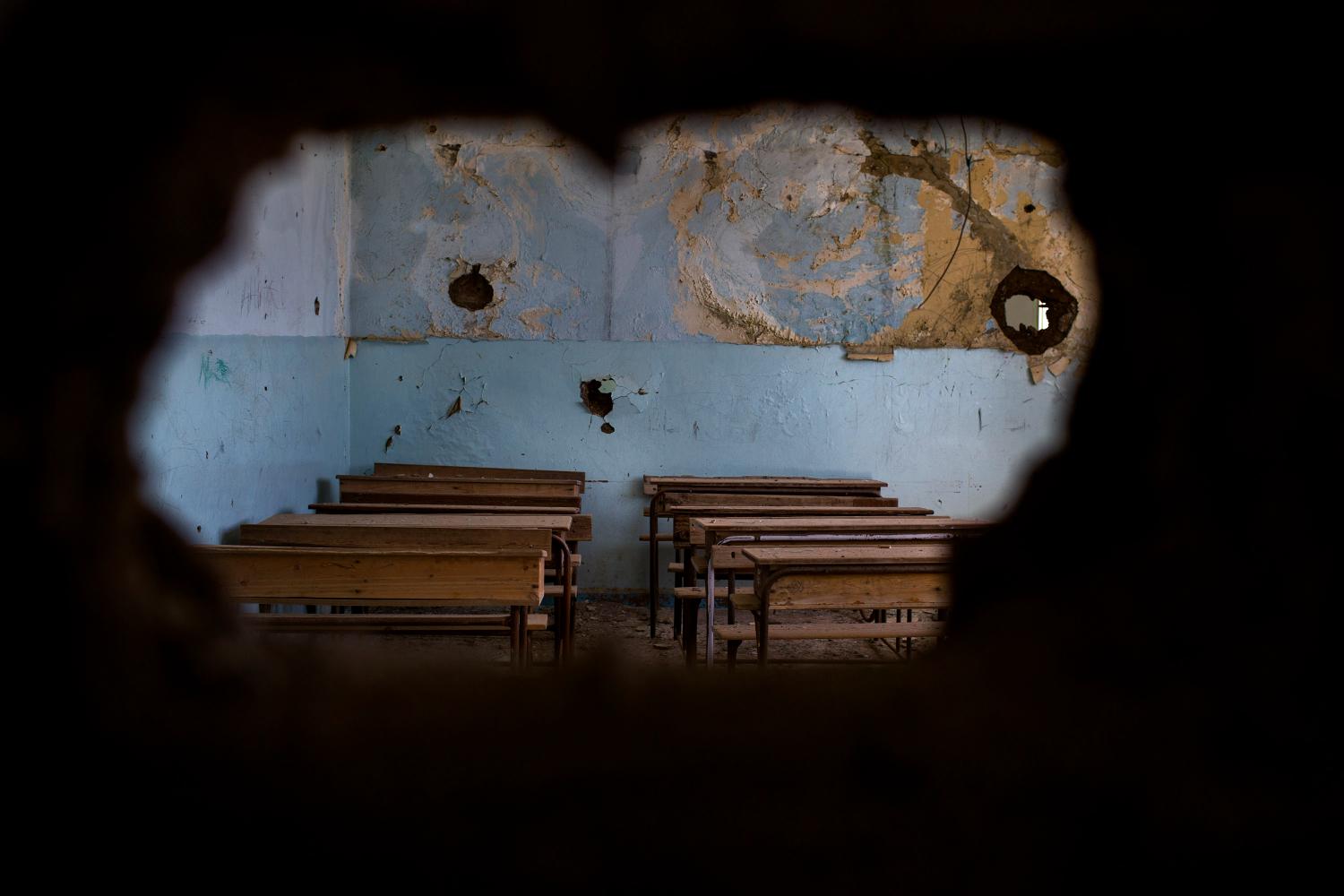
Across the world, war, extremism, and displacement deny children their right to education. Schools are destroyed, teachers are killed or forced to flee, and classrooms are occupied by armed groups. Despite the Safe Schools Declaration, signed by 121 states to protect education during armed conflict, attacks on schools, teachers and students continue to increase.
According to Save the Children’s 2025 analysis of UN data, 2,445 attacks on schools were recorded in 2024, compared with 790 in 2020. These include airstrikes, the occupation of schools by armed groups, killings and abductions, and sexual violence. The UN estimates that 85 million of the 234 million school-age children affected by conflict have no access to education.
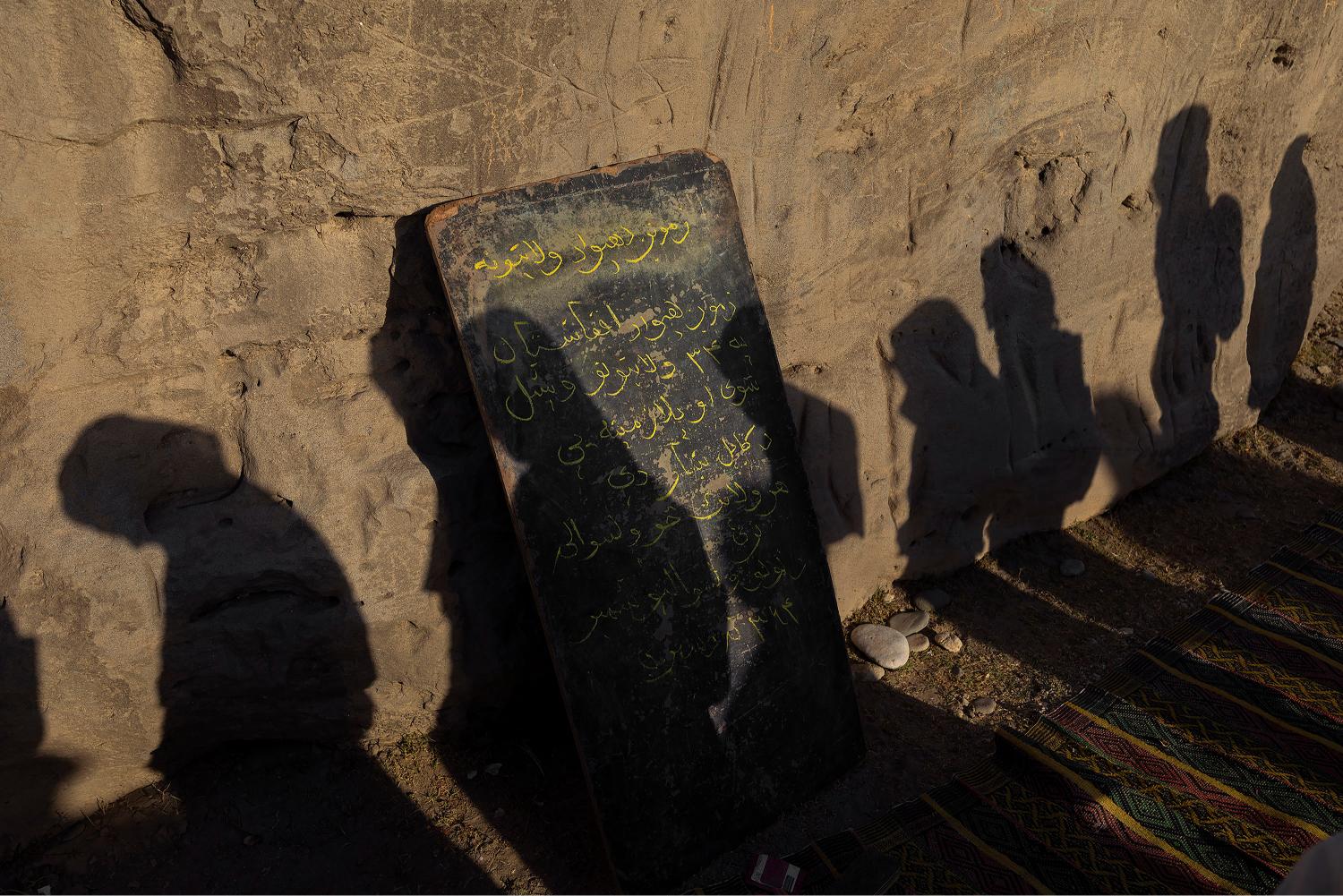
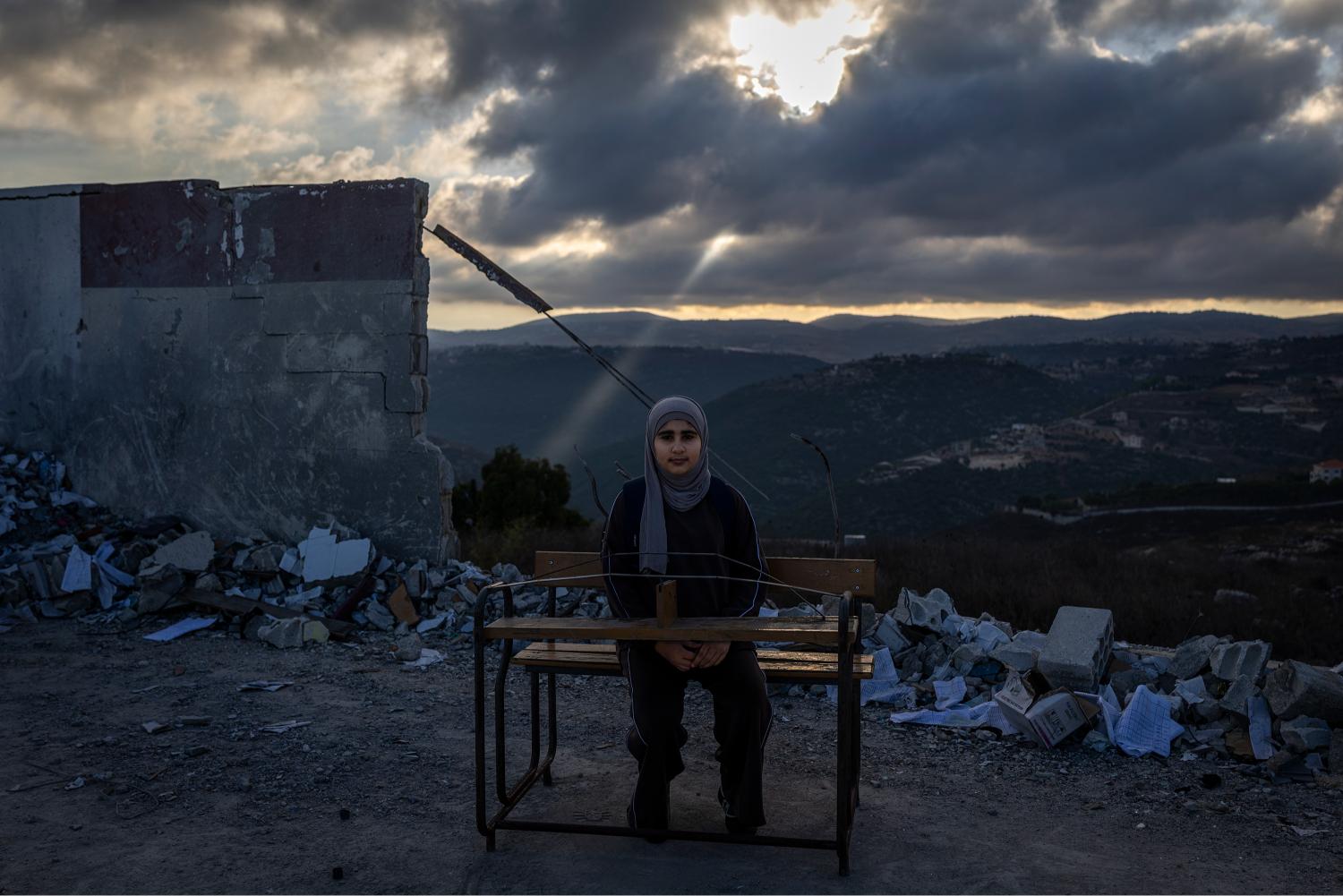
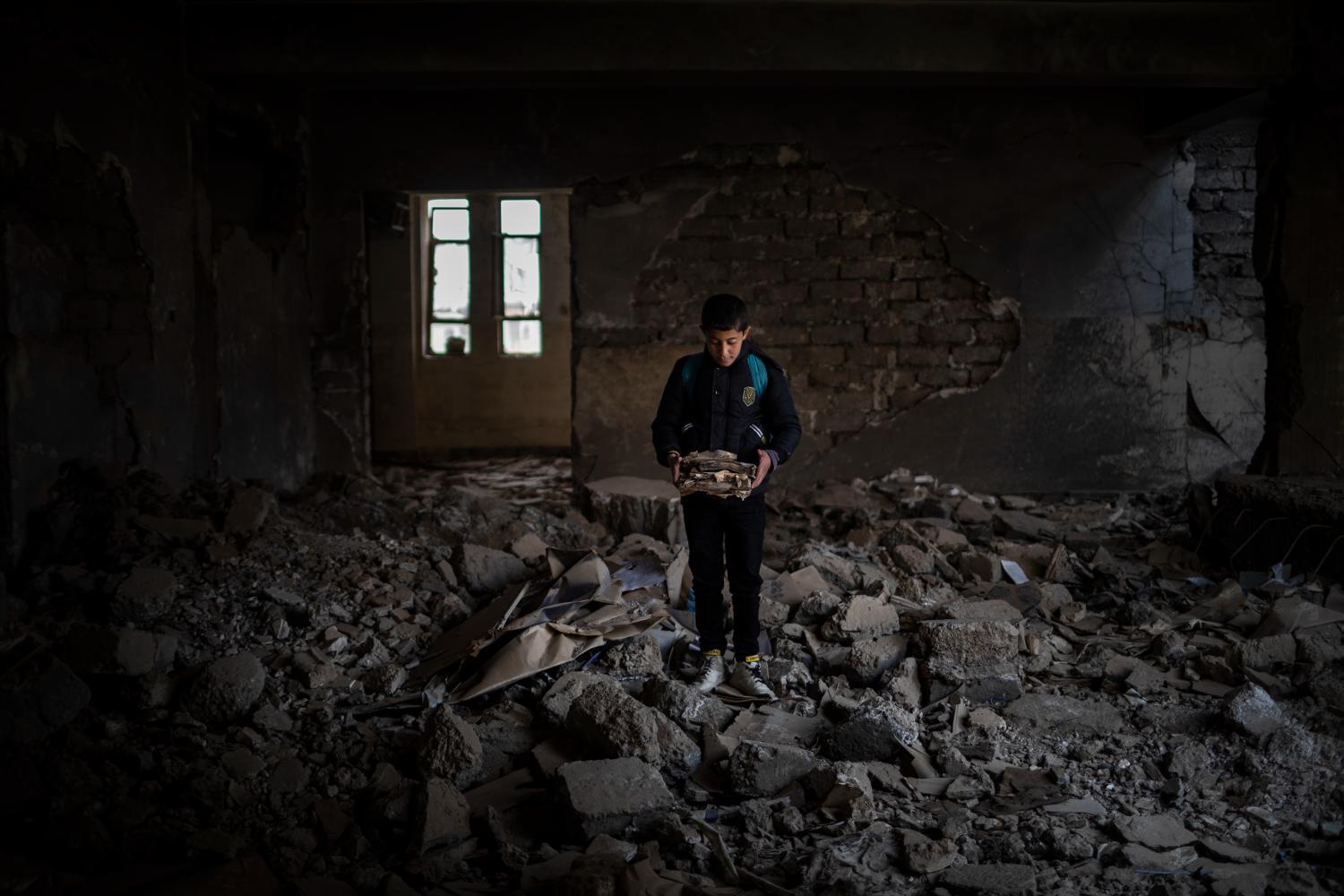
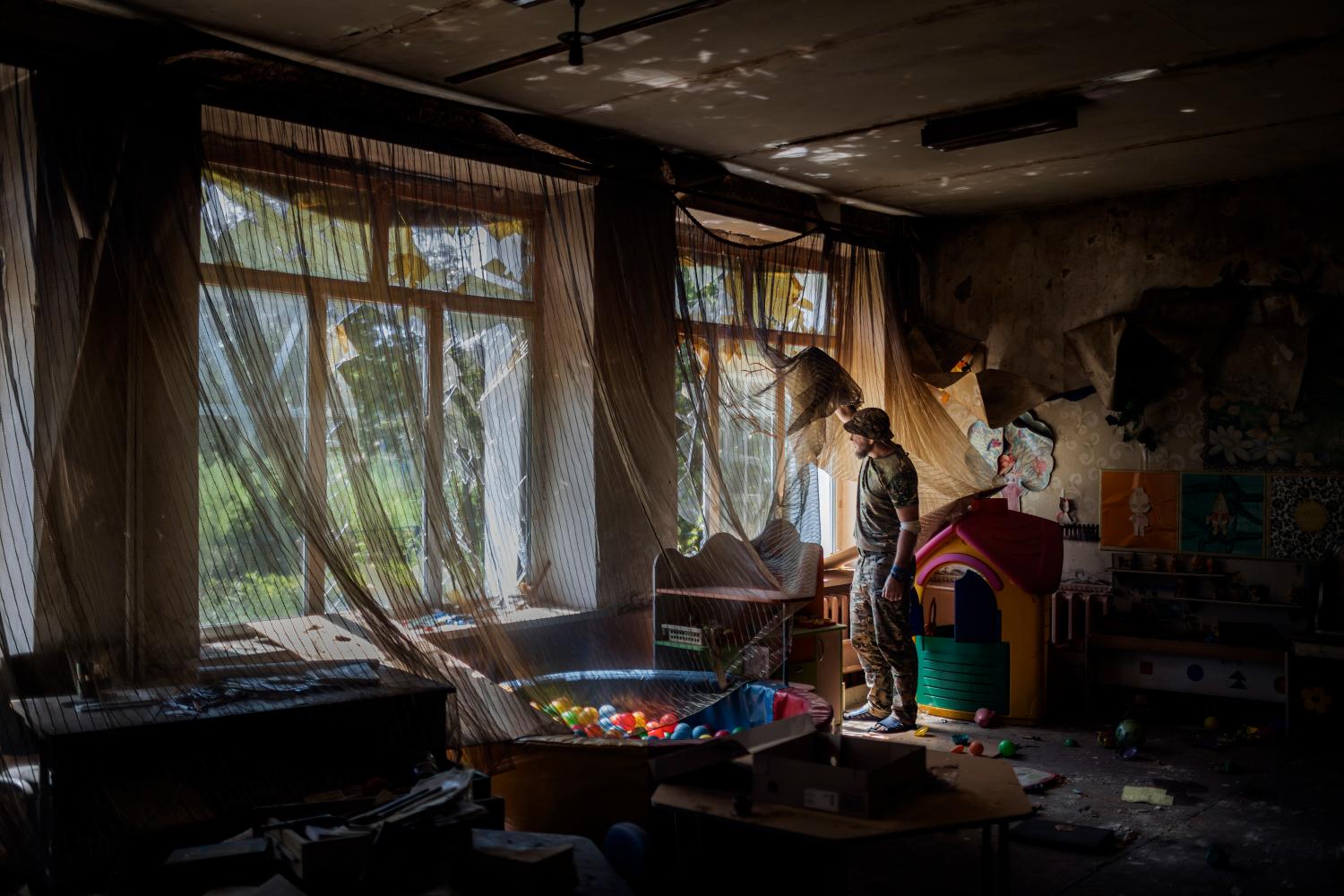
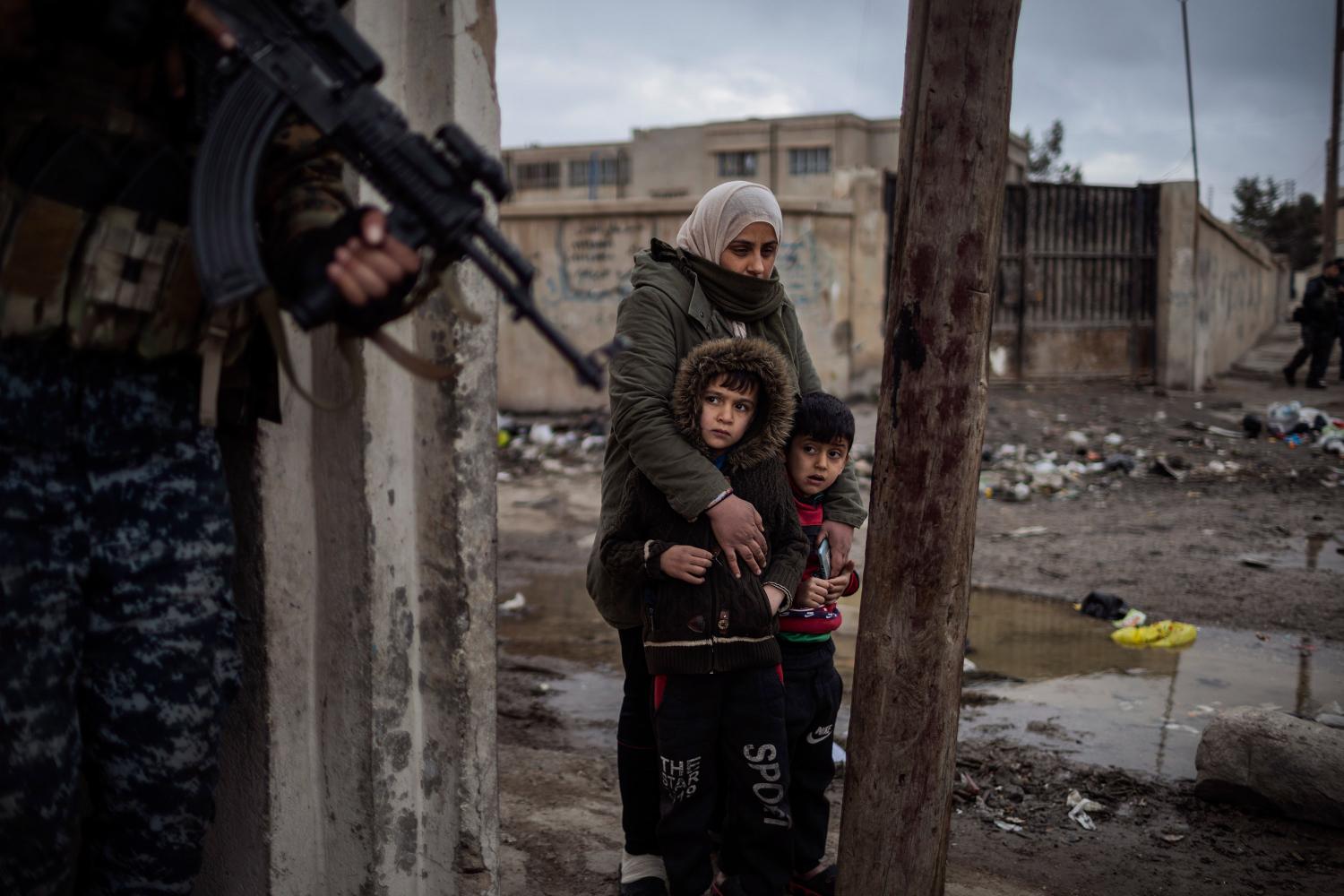
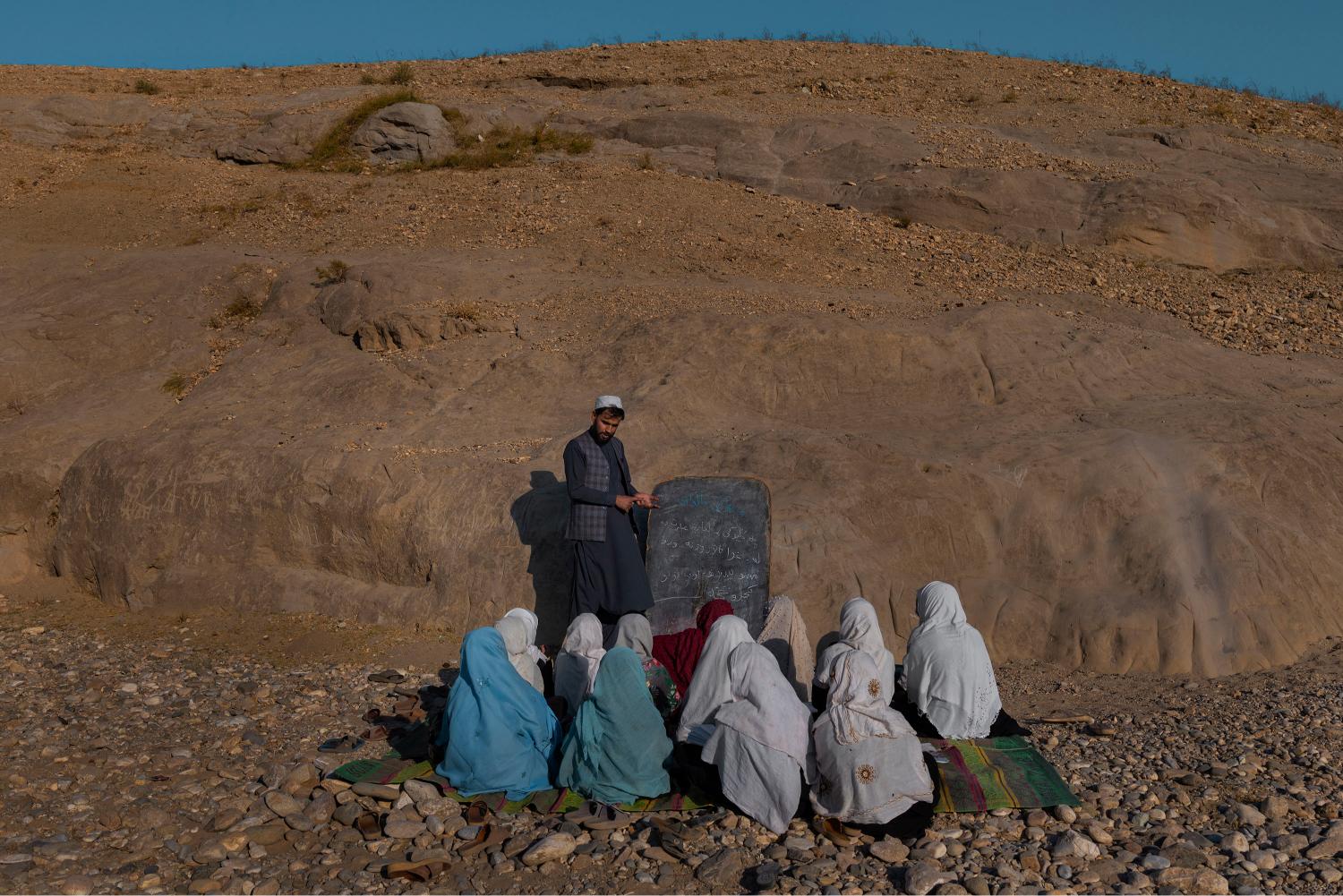
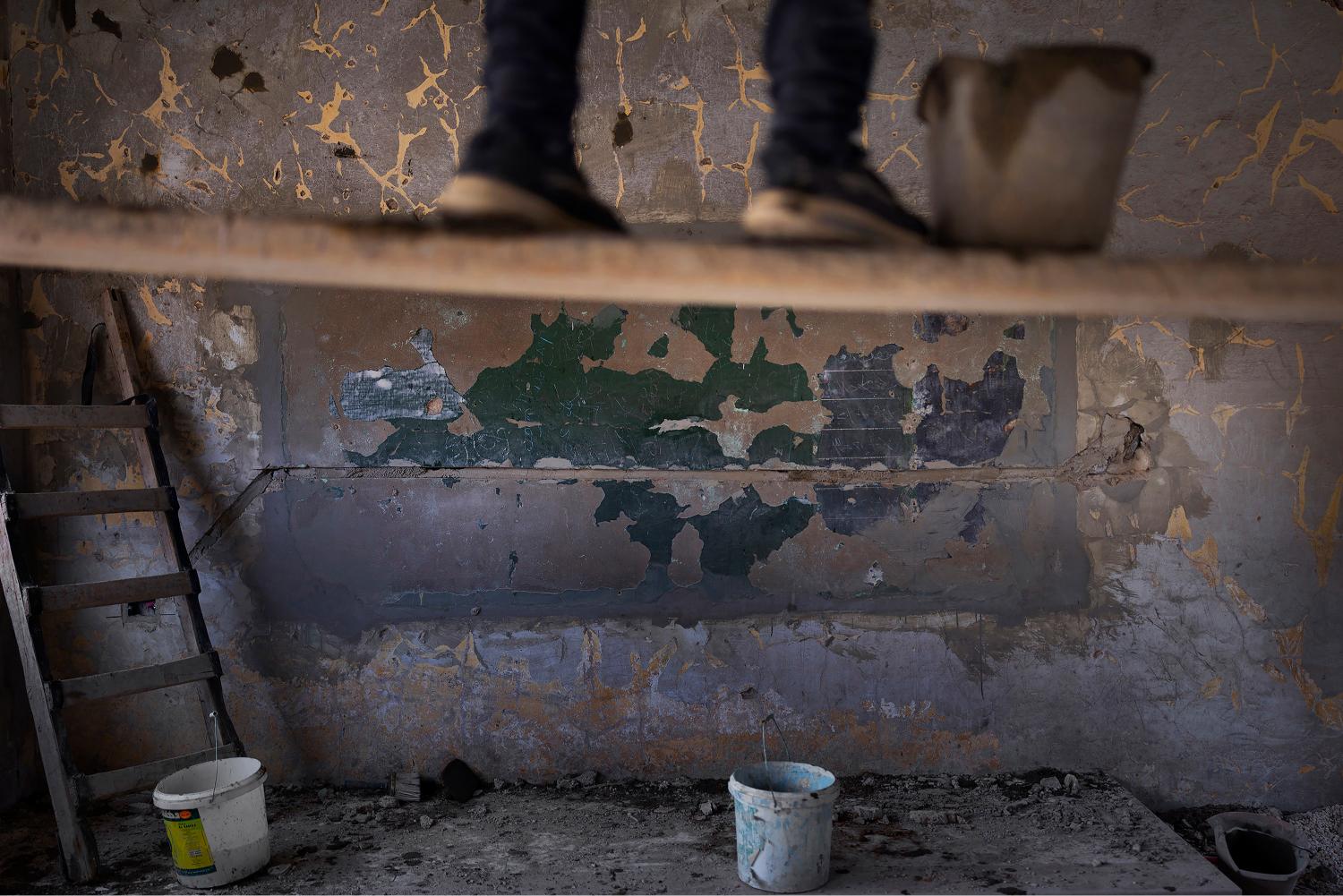
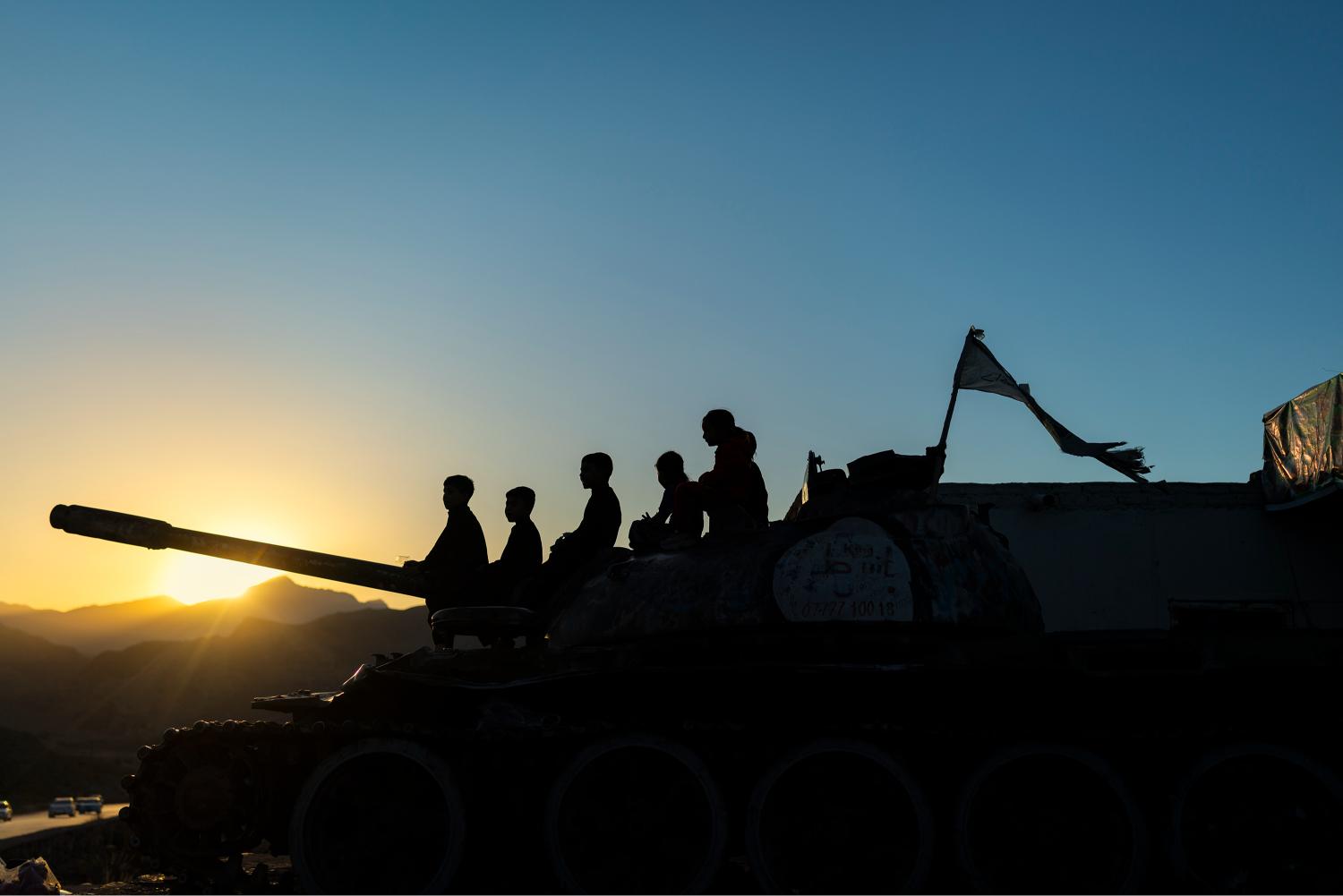
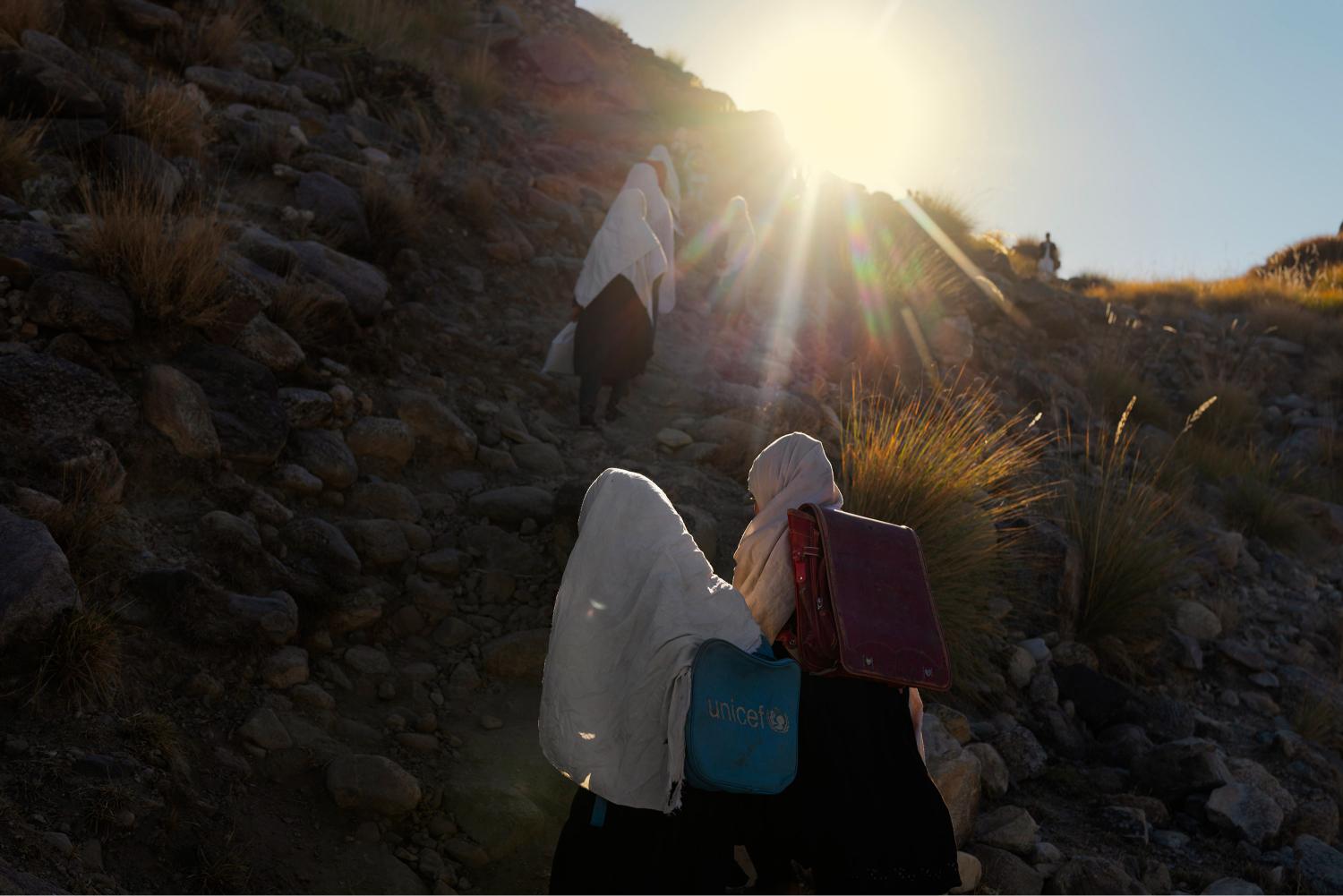
The consequences extend far beyond missed lessons: displacement, fear and prolonged disruption affect children’s development and their ability to imagine a future beyond conflict. Since 2011, the author, a teacher’s son and father of an 11-year-old, has documented conflict’s impact on education across nine countries, from South and West Asia to Europe and South America. His work has taken him from classrooms under Taliban control in Pakistan and Afghanistan to destroyed schools in Syria, Iraq, Lebanon, and Ukraine, and to displaced communities in Colombia. Hijacked Education documents not only the destruction of schools, but also the struggle to keep learning alive: children walking long distances to class, teachers continuing to teach, makeshift classrooms, and communities rebuilding spaces for education amid war and displacement.
Biography
Diego Ibarra Sánchez (Spain, 1982) is a visual journalist and educator based in Lebanon and a regular contributor to The New York Times since 2012, specializing in long-term projects. Author of the photobook The Phoenician Collapse (2022), with a foreword by Amin Maalouf, he describes his work as “painting with light” in times of violence, blending documentary and poetic approaches. He began working with The New York Times in Pakistan, where he lived for five years, and has collaborated with international media and organizations.
His work focuses on conflicts and humanitarian crises across countries such as Syria, Iraq, Ukraine, Pakistan, and Lebanon, covering major events including the Yazidi genocide and the fall of Mosul’s Caliphate. The Phoenician Collapse, developed over seven years in Lebanon, received international recognition, including Best Independent Book by the Lucie Foundation. He has also contributed to several collective photobook projects. His awards include a Pulitzer Prize acknowledgment (2023) with The New York Times for coverage in Ukraine, the 2026 World Press Photo award for his long-term project on how war affects education, POY Asia (2024), NPPA (2025), and a Getty Images Grant. His work has been exhibited worldwide.