

Presentation
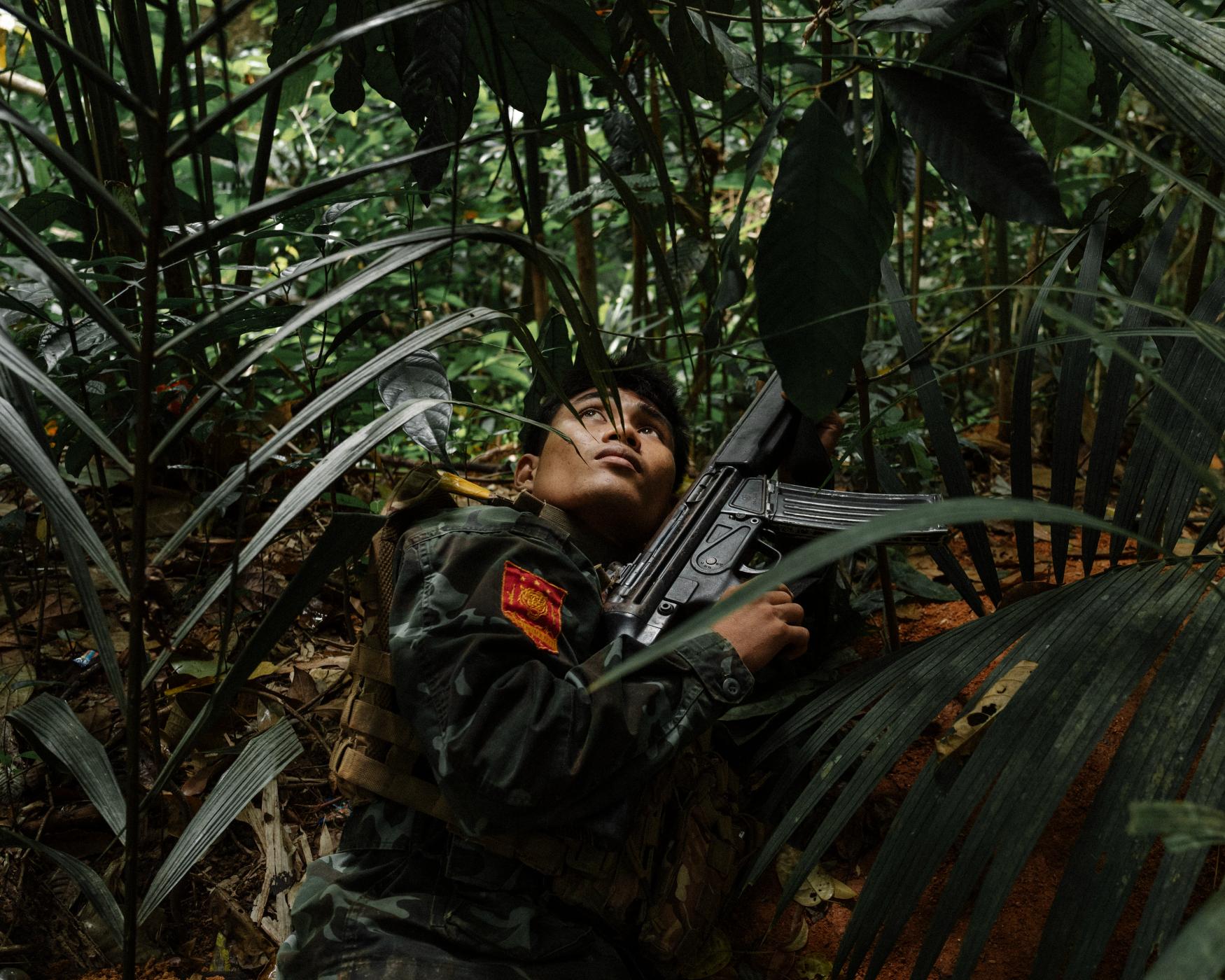
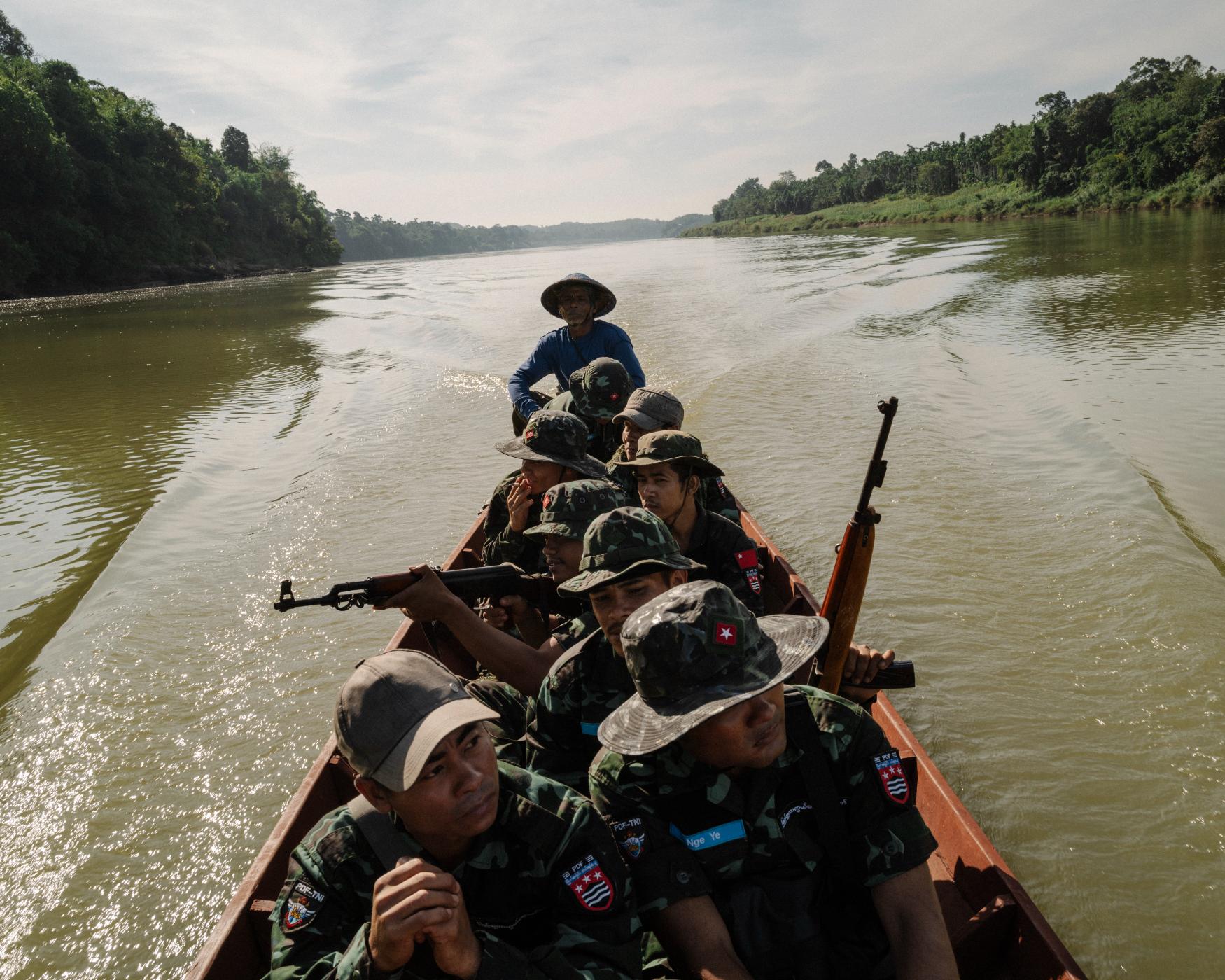
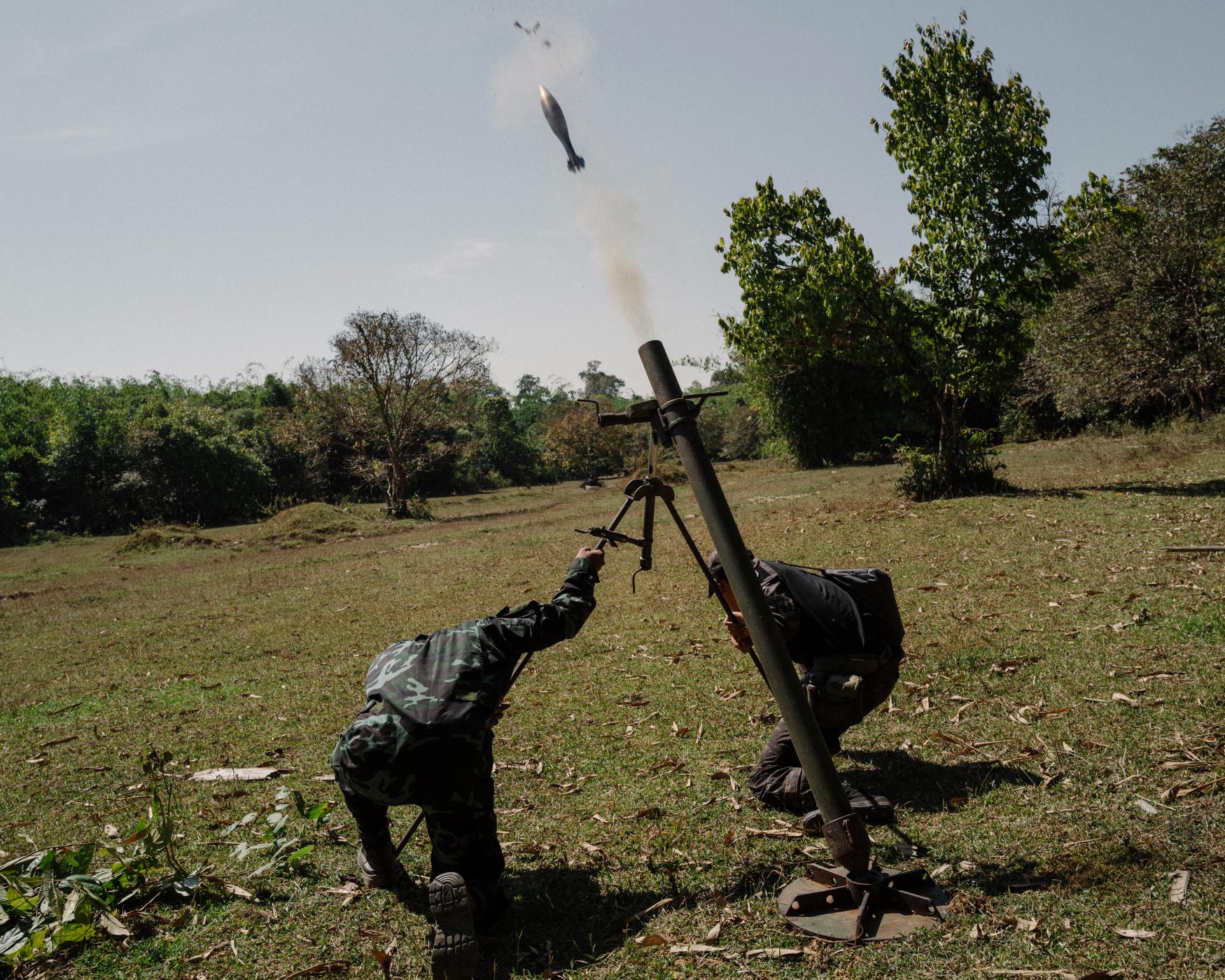
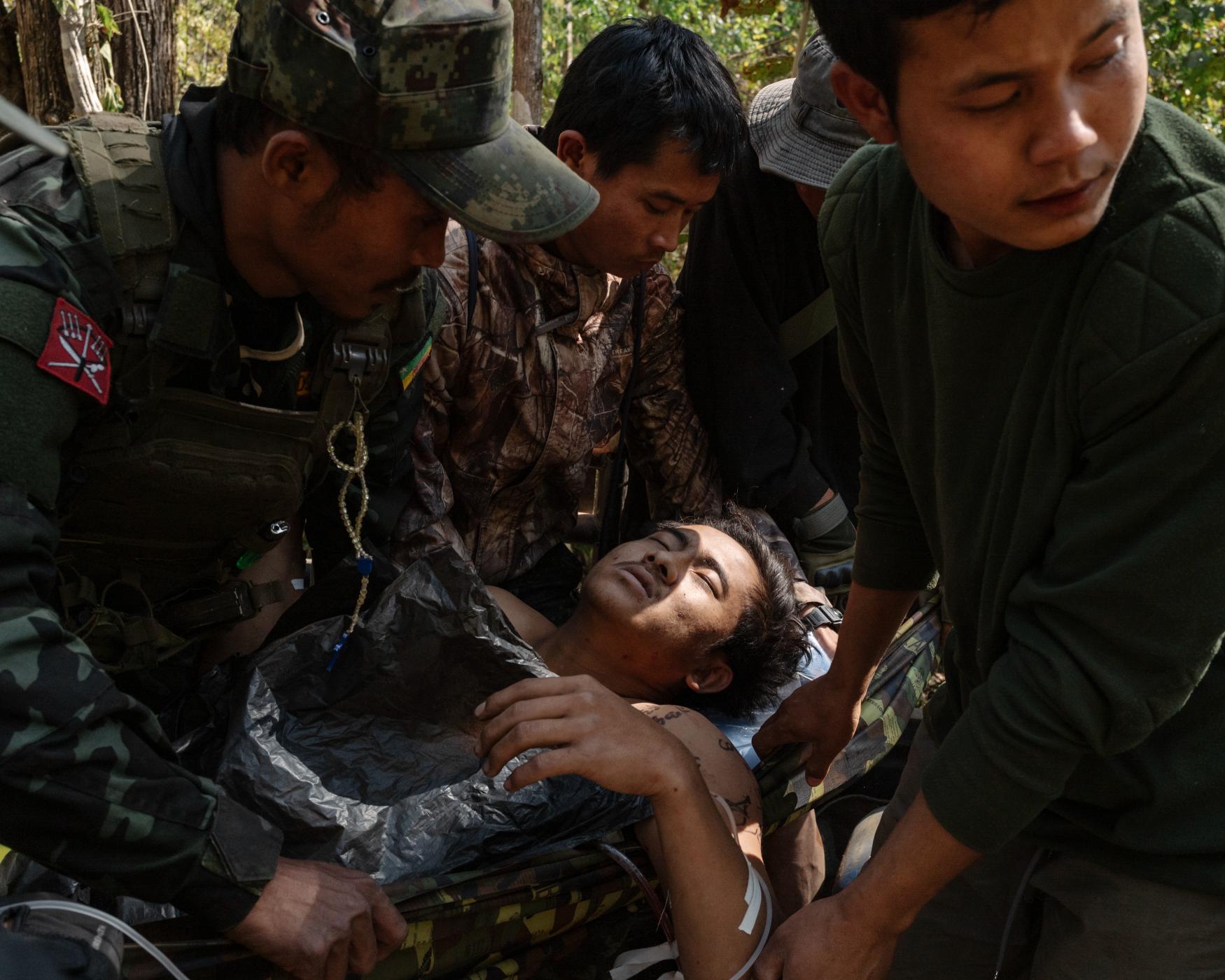
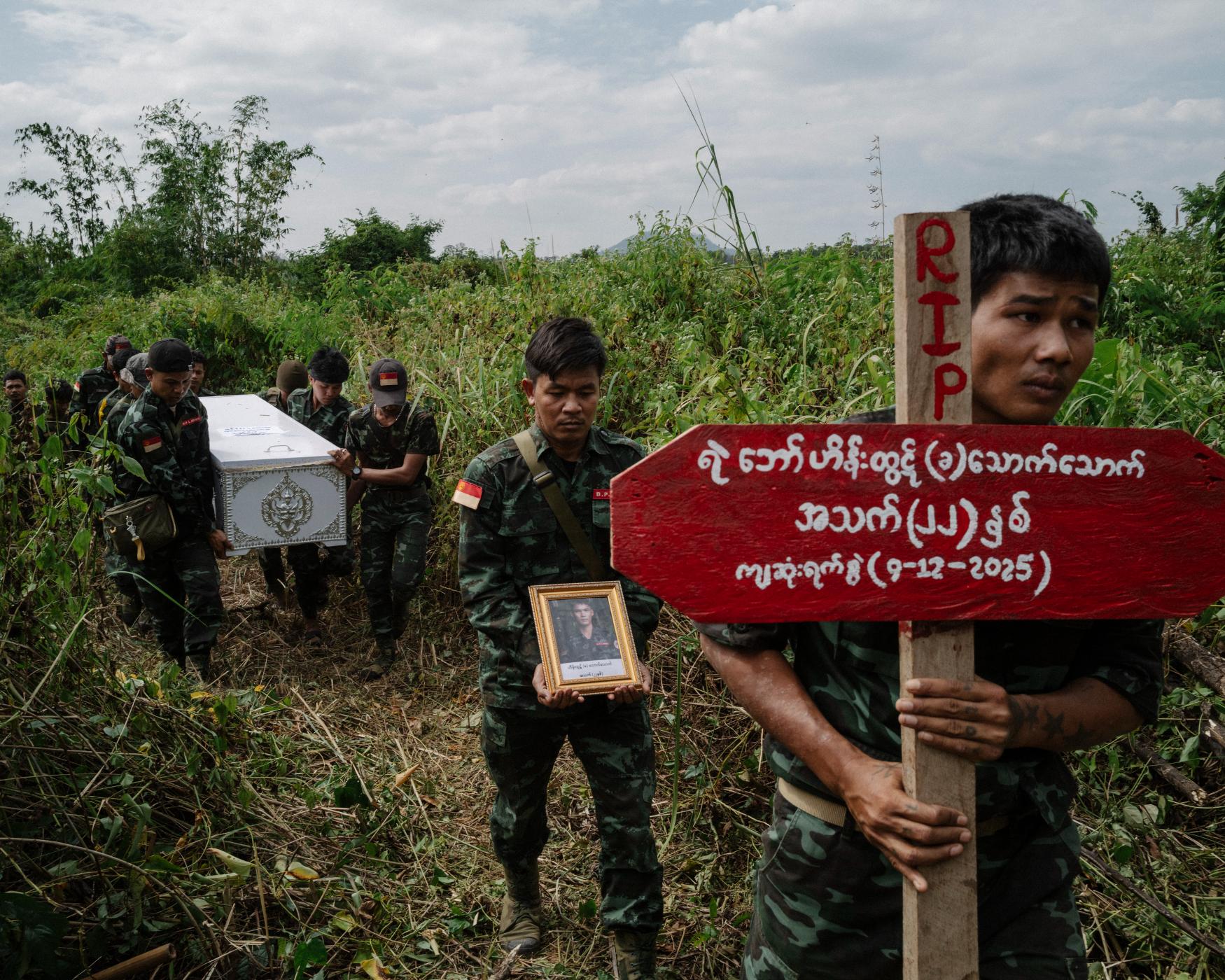
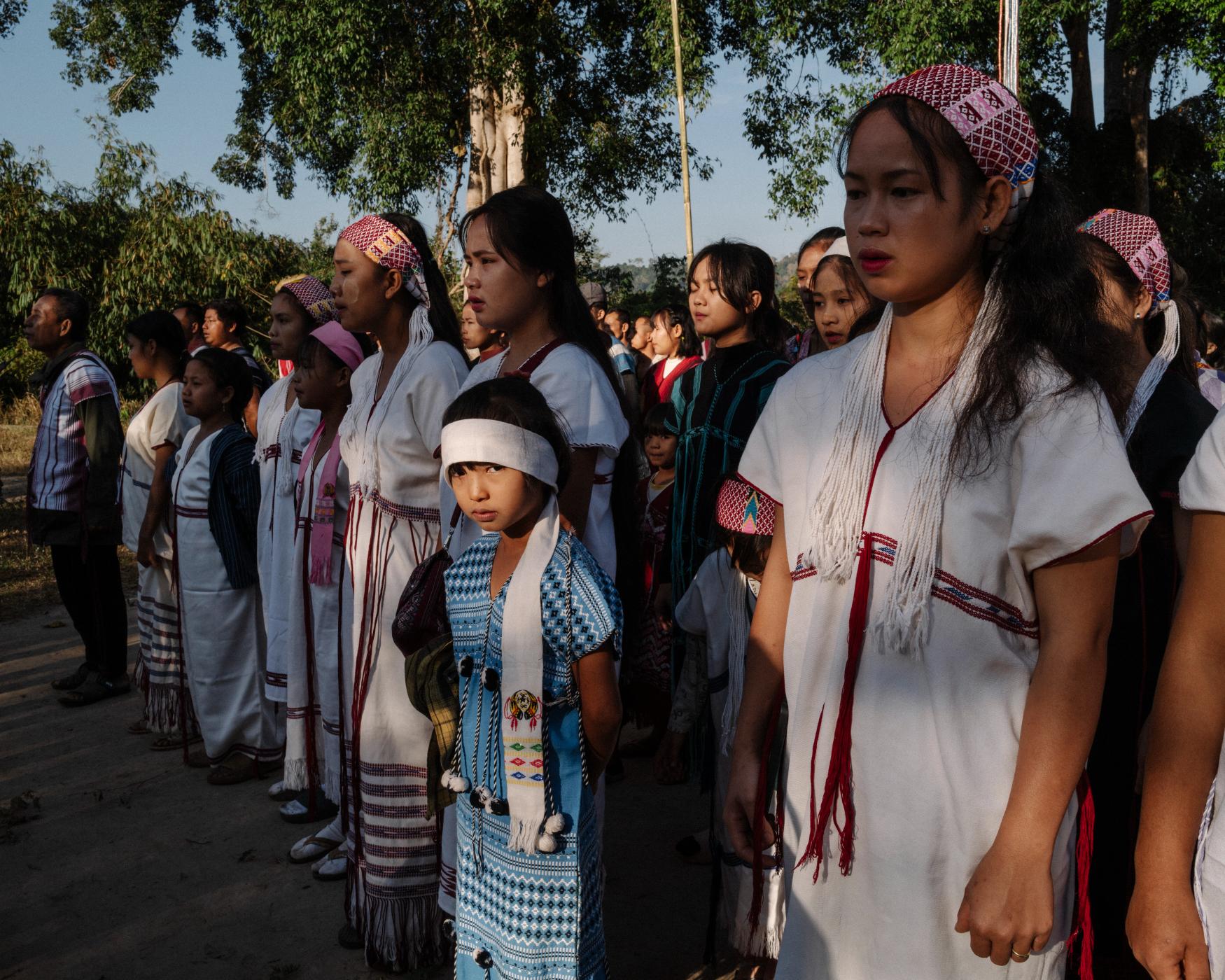
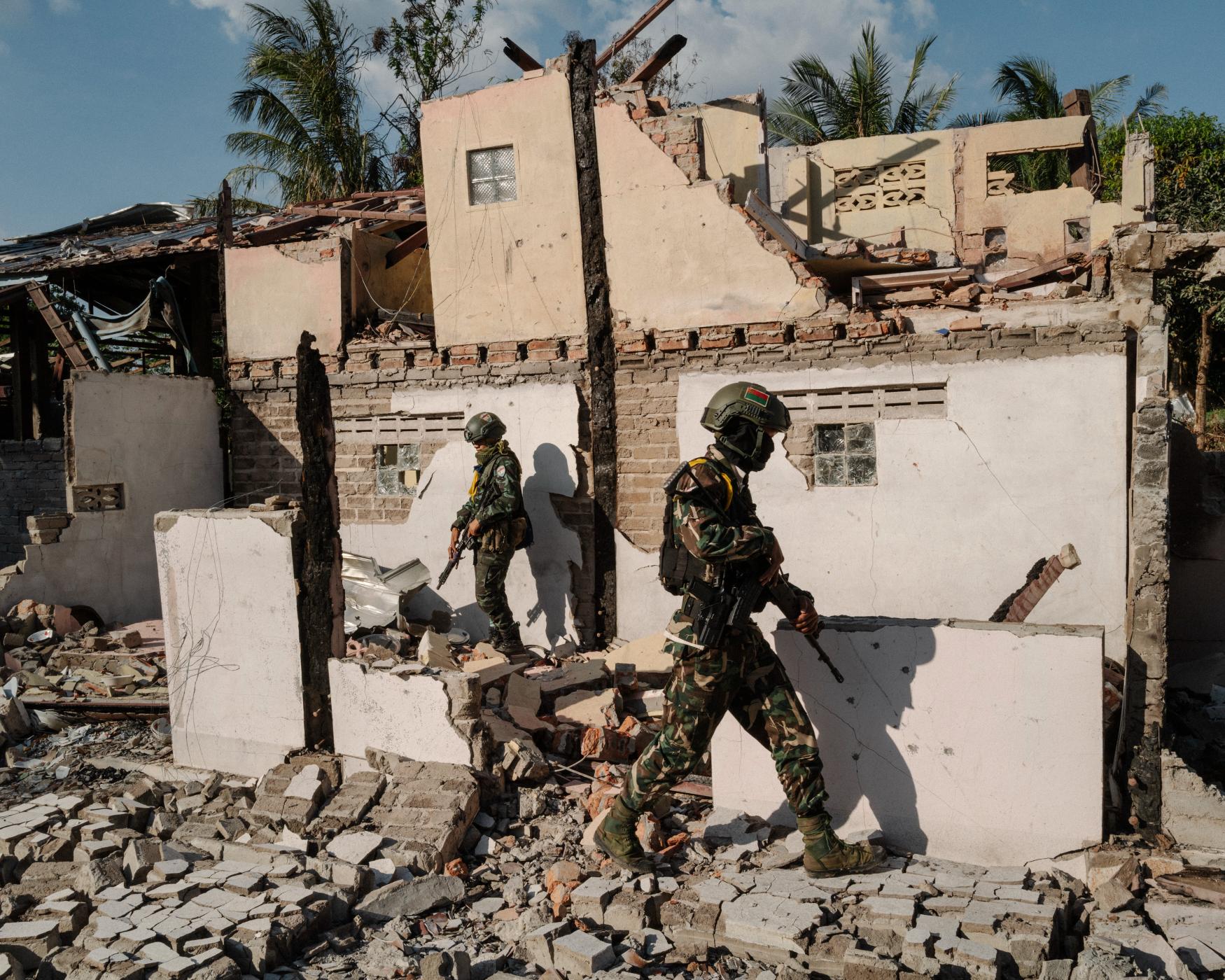
Myanmar is the second-most conflict-affected country in the world, behind Palestine, according to the ACLED* index, which measures lethality, risk to civilians, geographic scope, and the proliferation of armed groups. Yet this war, in which the junta, in power since the 2021 coup that overthrew Aung San Suu Kyi and ended a decade of democratic opening, is facing an insurgency by pro-democracy forces and ethnic armed groups, remains one of the least covered conflicts in the world. Behind this invisibility lies an entire generation: young people aged 16 to 25, members of Generation Z, who took to the streets peacefully to protest the coup before a brutal crackdown pushed them toward armed resistance.
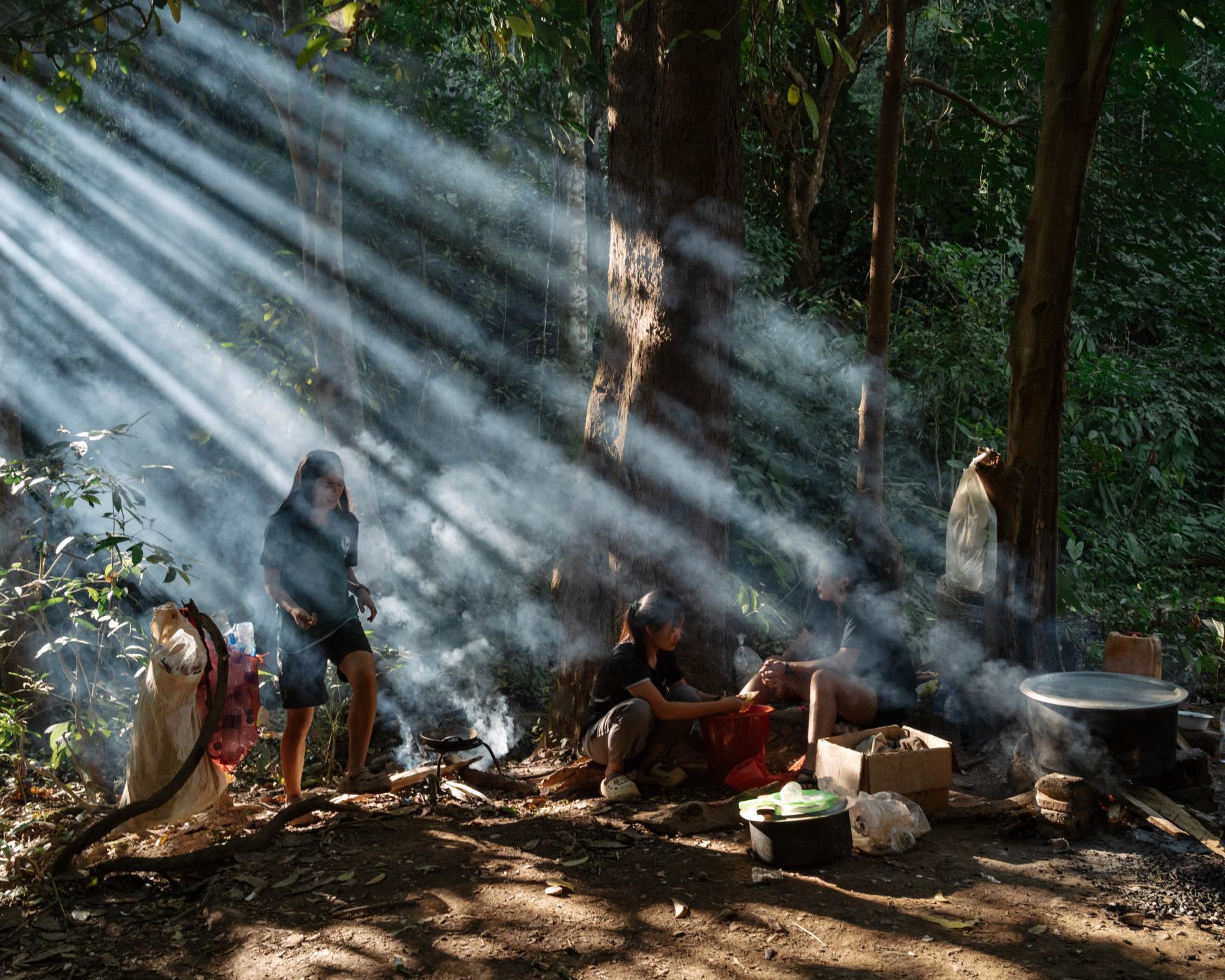
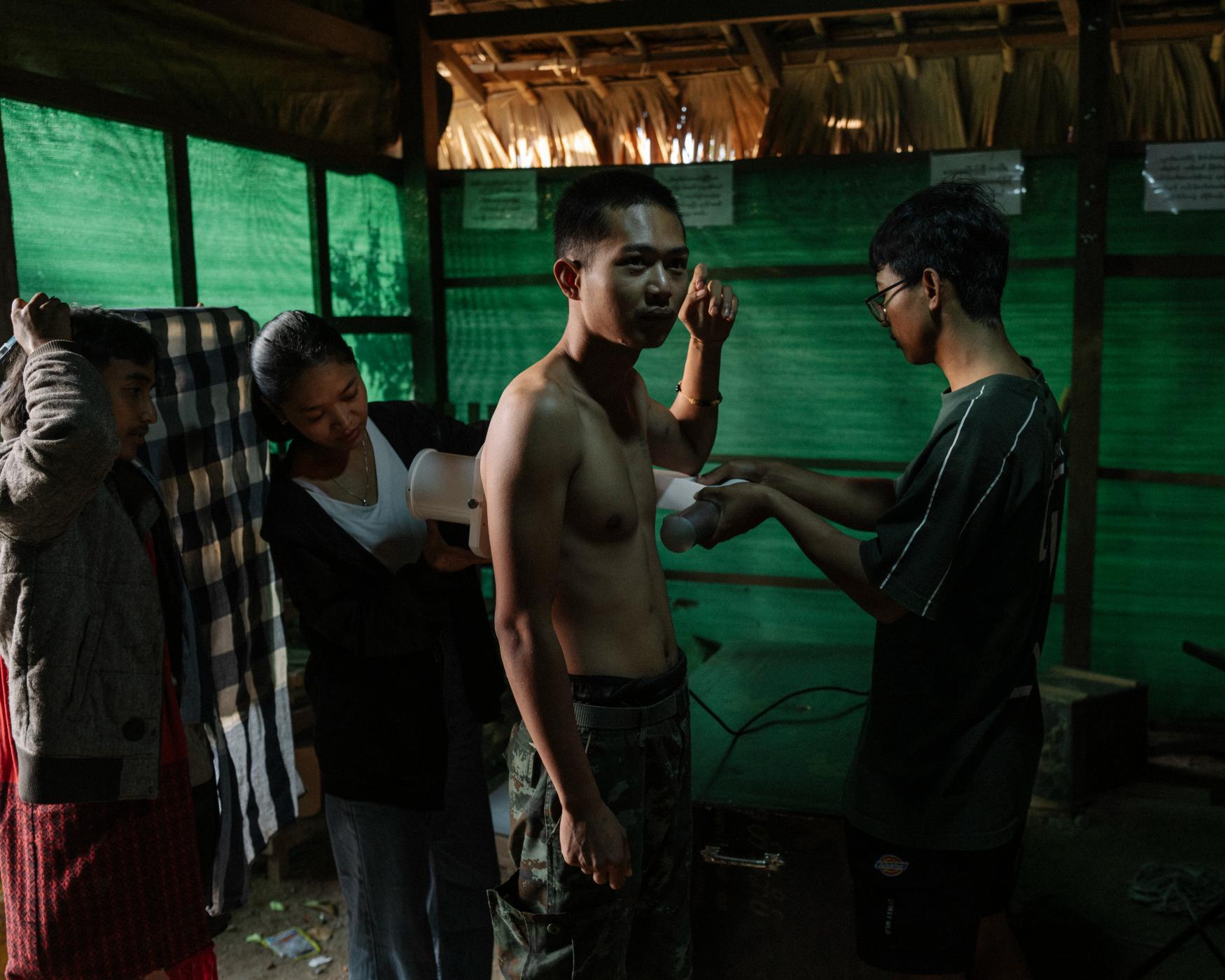
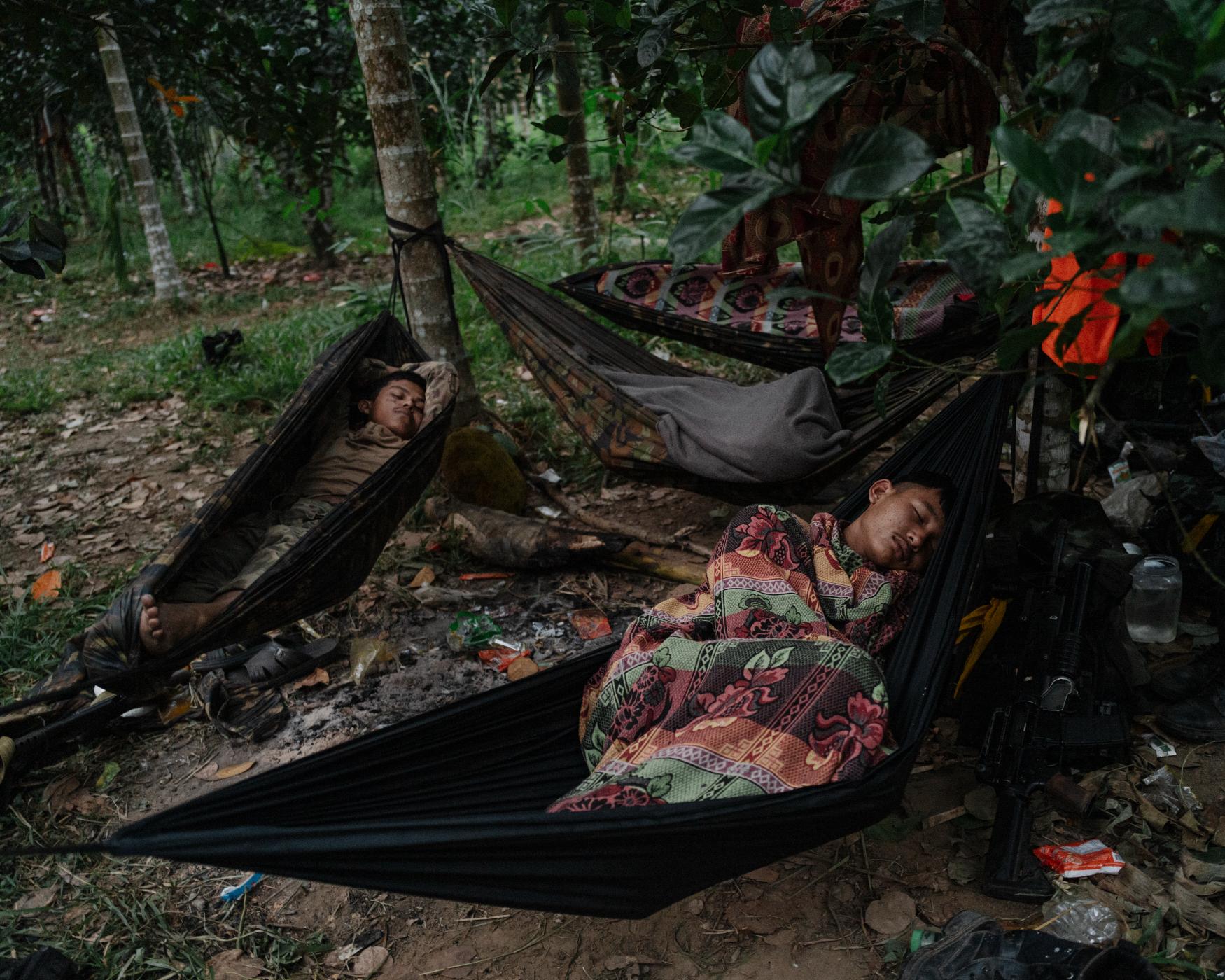
Tens of thousands have joined the armed struggle, driven by a democratic movement in a country shaped by decades of military dictatorship. Most have had to abandon their studies and leave urban centers such as Yangon, where they dreamed of becoming teachers, engineers, or doctors. They now treat the wounded in hidden hospitals, make homemade bombs, and lead military operations. They are all rebuilding a daily life, friendships, routines, and a parallel existence, fragile and improvised in the heart of a merciless conflict that has already killed more than 100,000 people and displaced 3.5 million. Six years after the coup, the military junta continues to carry out airstrikes against civilians and commit atrocities, while the international community remains largely silent.
Biography
Robin Tutenges, born in 1995, is a French photographer and journalist, member of Collectif Hors Format, trained in geopolitical conflict analysis and photojournalism. He works on human rights violations, with a particular focus on cross-border and ethnic issues. His reports have been published in Le Monde, GEO, The Guardian, and Der Spiegel, among others. His investigations took him to Kazakhstan in 2023, where he documented Uyghur survivors of the Xinjiang camps, a report honored with the European Press Prize (2024) and a Pulitzer Center grant (2025), allowing him to continue his work in Kyrgyzstan. That same year, with support from the CNAP, he produced "On Asphalt We Grow," a photo essay on Ukraine's skateboarding community. In 2024, he investigated the secret abductions carried out by the Hasina regime in Bangladesh, before covering the Fano uprising in Amhara, in northern Ethiopia, in 2025, work for which he received the Reporters Without Borders (RSF) Lucas Dolega Saif Prize 2025. Since 2022, he has also been pursuing long-term work on the civil war in Myanmar and its resistant youth, an act of remembrance recognized with the Victor Hugo Prize (2023), the Sarajevo Photo Festival Grand Prize (2025), and the Camille Lepage Award (2026). His work has been exhibited at venues such as the Visa Pour l'Image festival (2026), the National Museum of Photography of Colombia, the National Gallery of Bosnia Herzegovina and the Marseille Photography Center