

Presentation
The Earth is never silent. Even when we cannot hear it, it hums. Seismologists call this low-frequency vibration the Earth’s hum: the planet expanding, contracting and twisting at a constant rhythm. On June 24 the hum became a roar. The ground moved as if it were the ocean. Within a minute, La Guaira, on Venezuela’s central coast, became dust, rubble and grief. But that minute was neither the beginning nor the end.
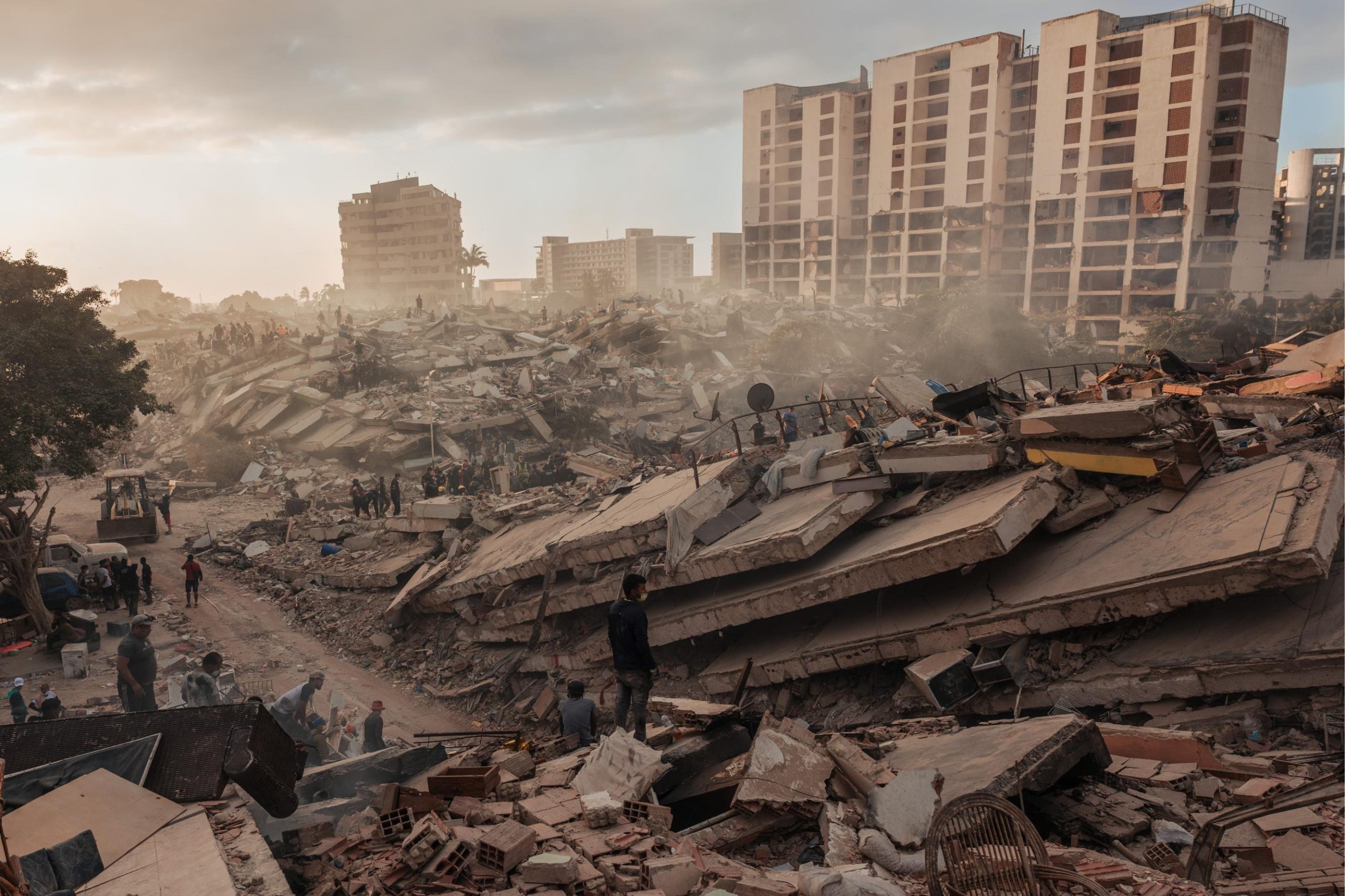
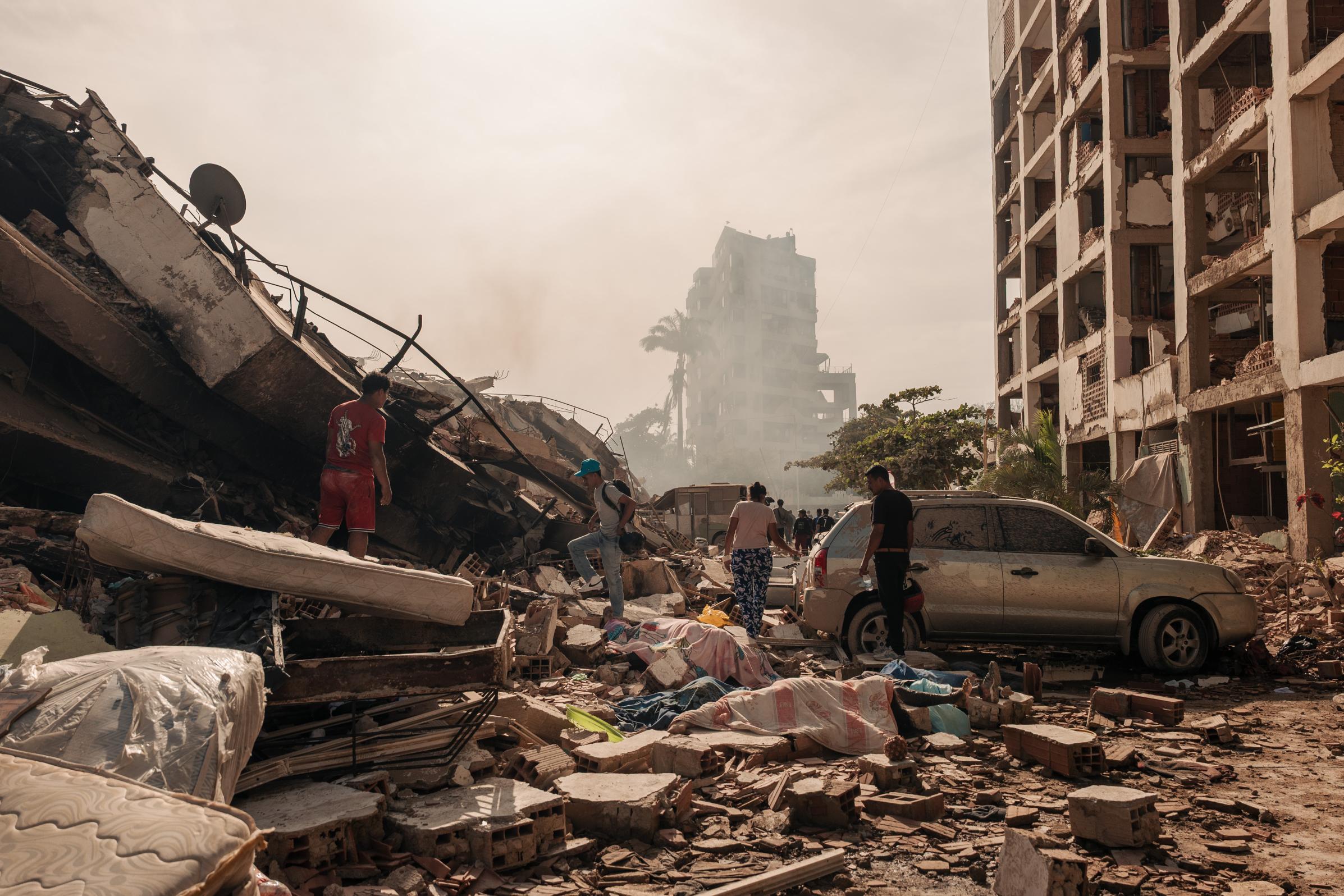
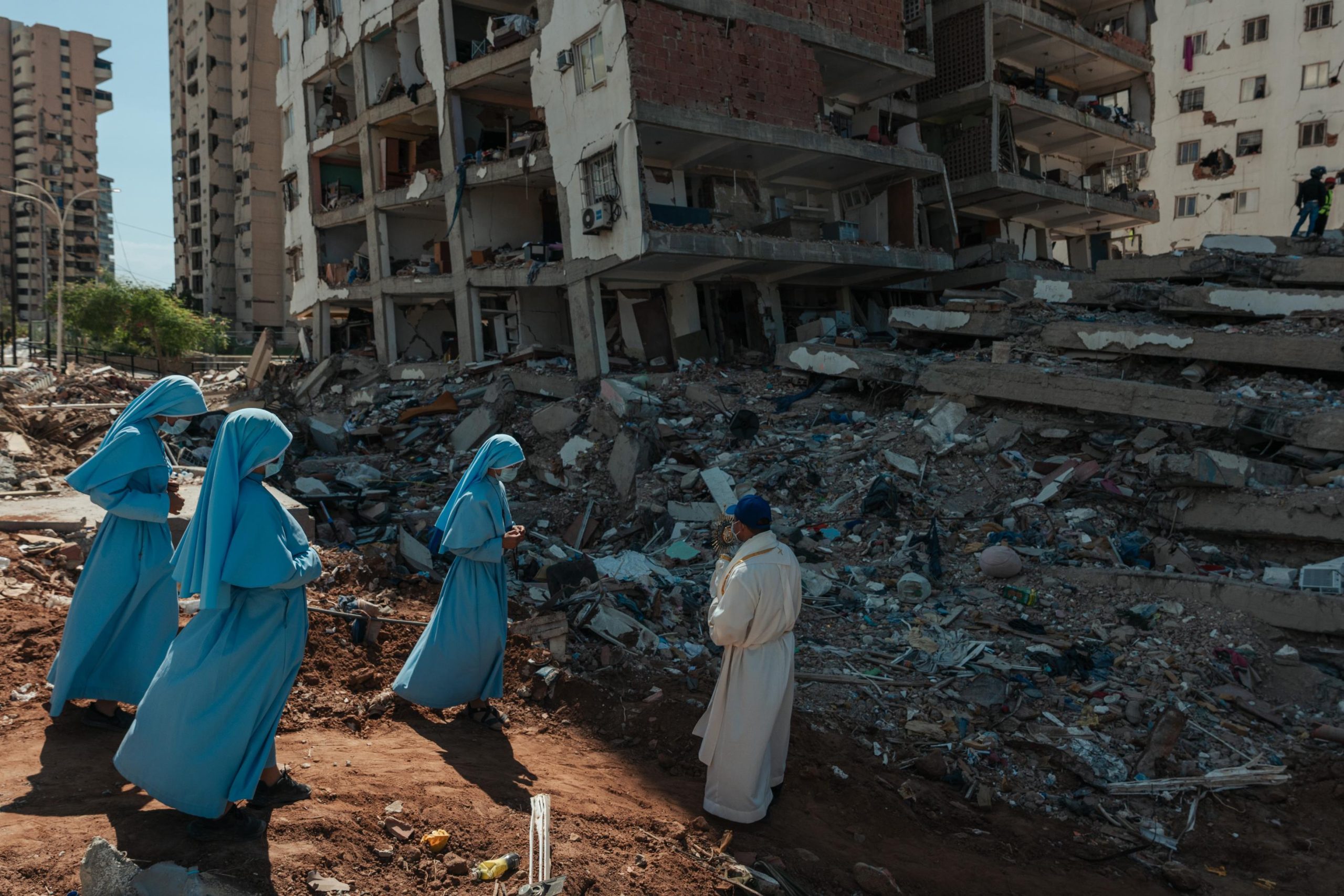
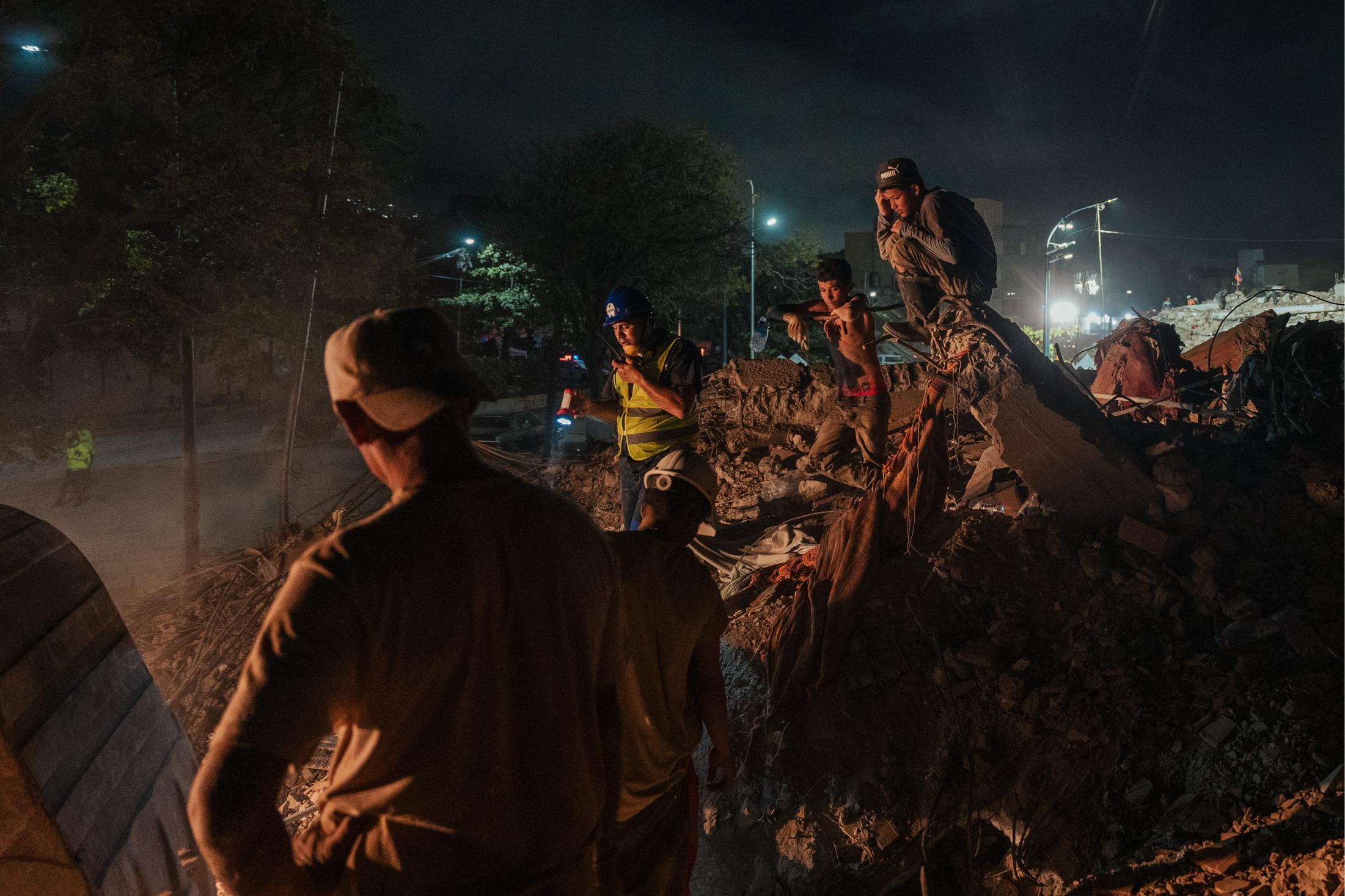
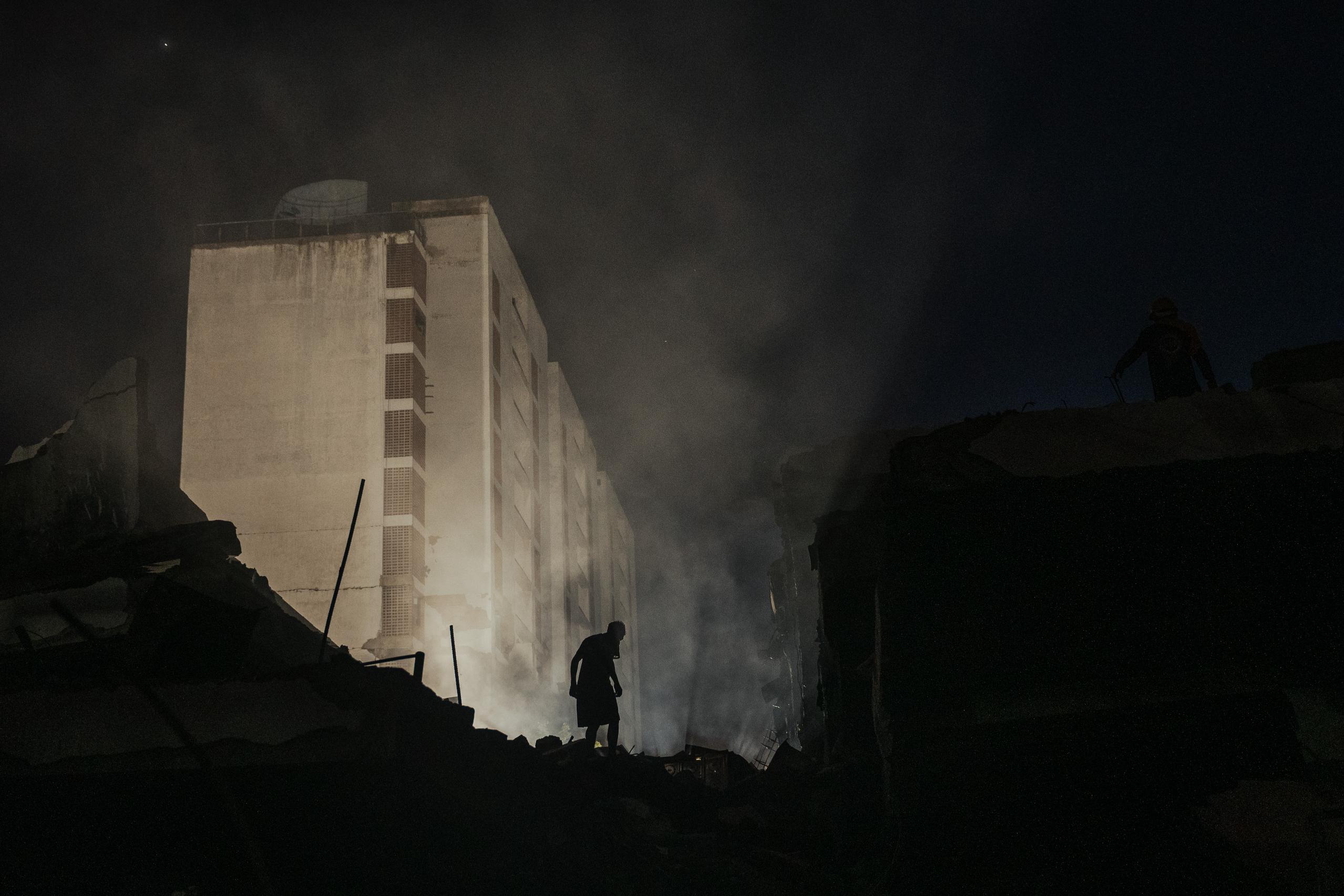
Ten public-housing towers collapsed within one block. I climbed over what had been a twelve-story building and looked up to see another mountain of concrete ahead. Then another. As far as the eye could see, everything was destruction.
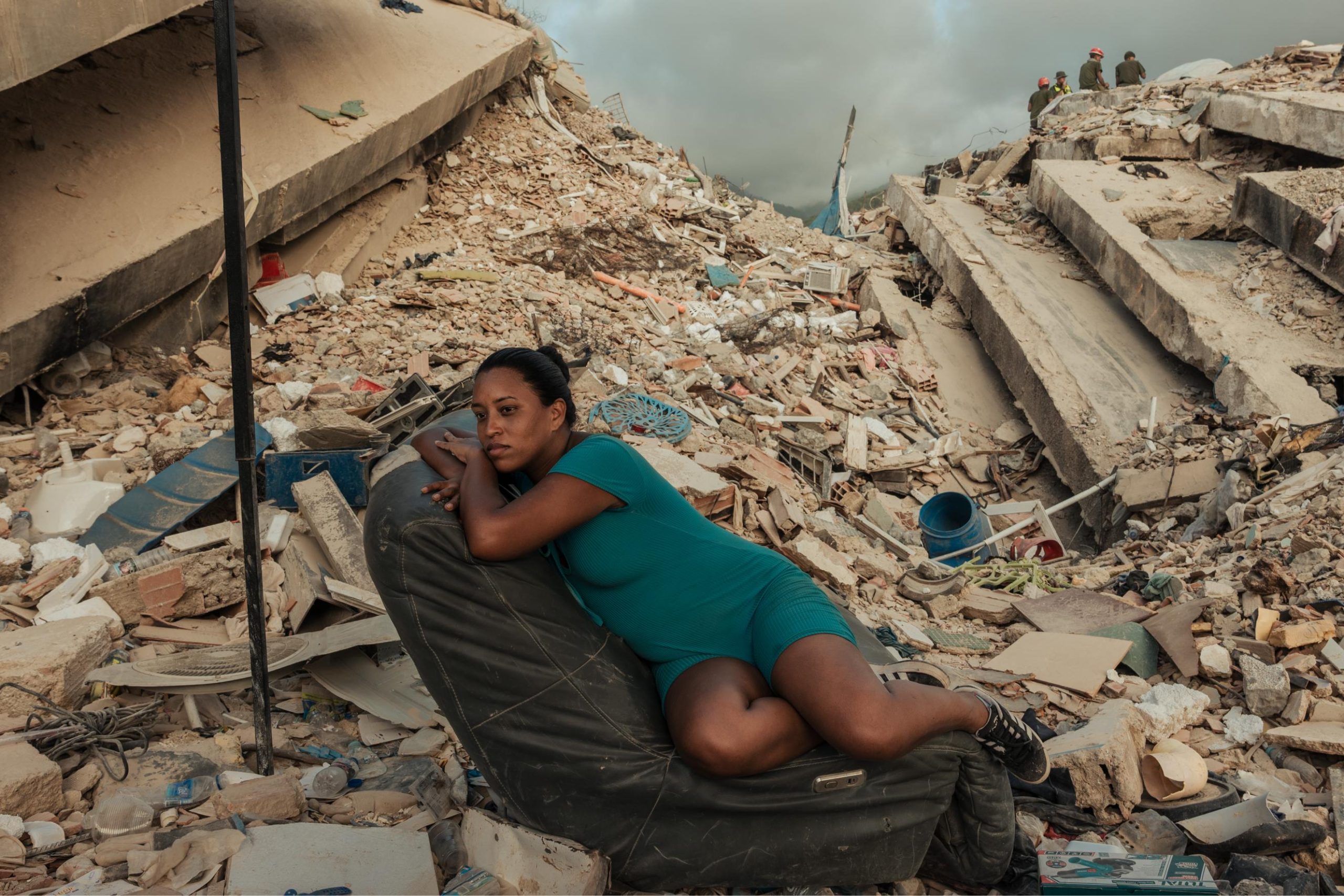
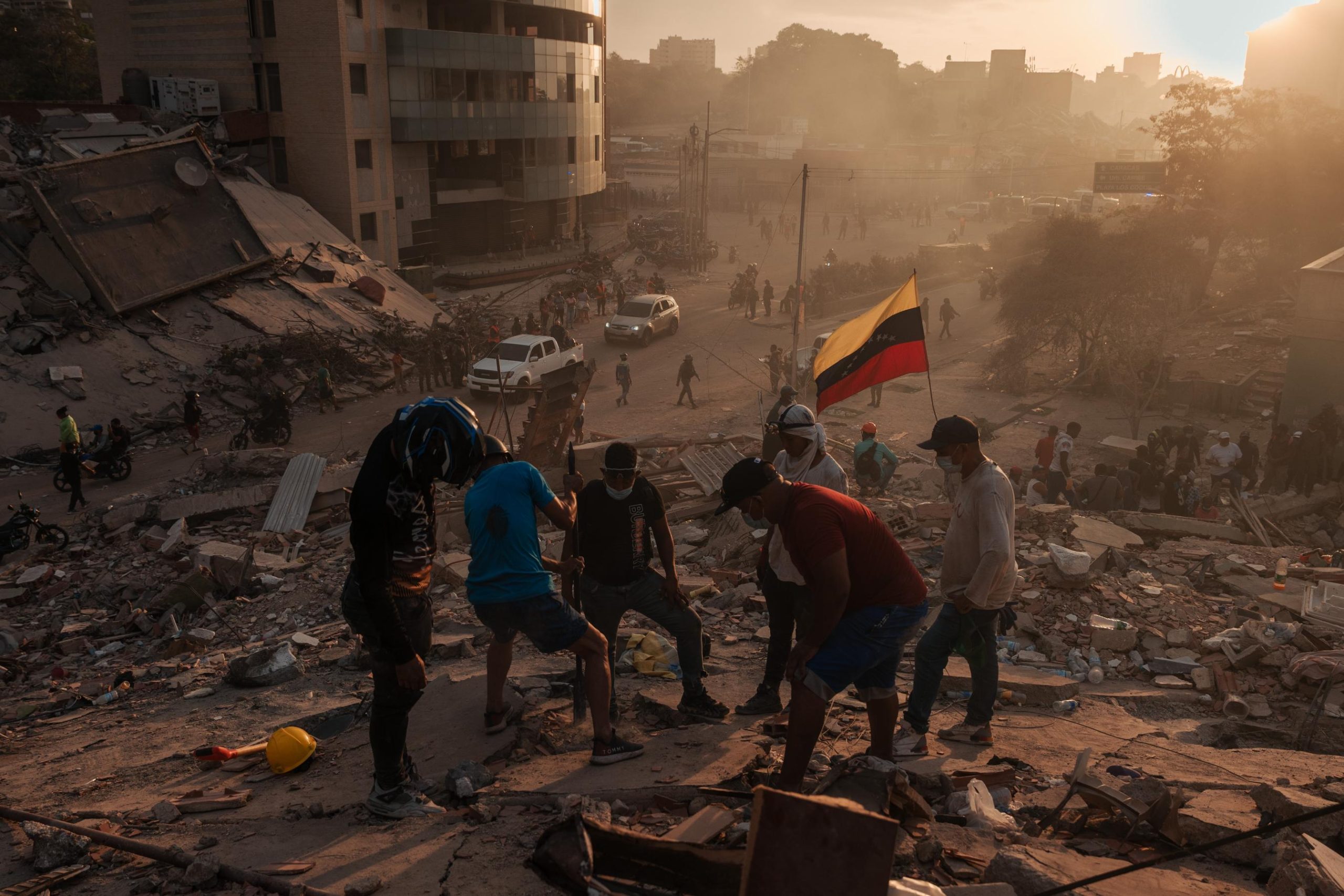
People were still calling from underneath, but help was nowhere near. For days, civilians moved concrete with their hands, through gas leaks and aftershocks. Signs pleading for help and machinery appeared as the dead piled up, barely covered with blankets. Cries for help turned to whispers, while campsites appeared above the ruins.
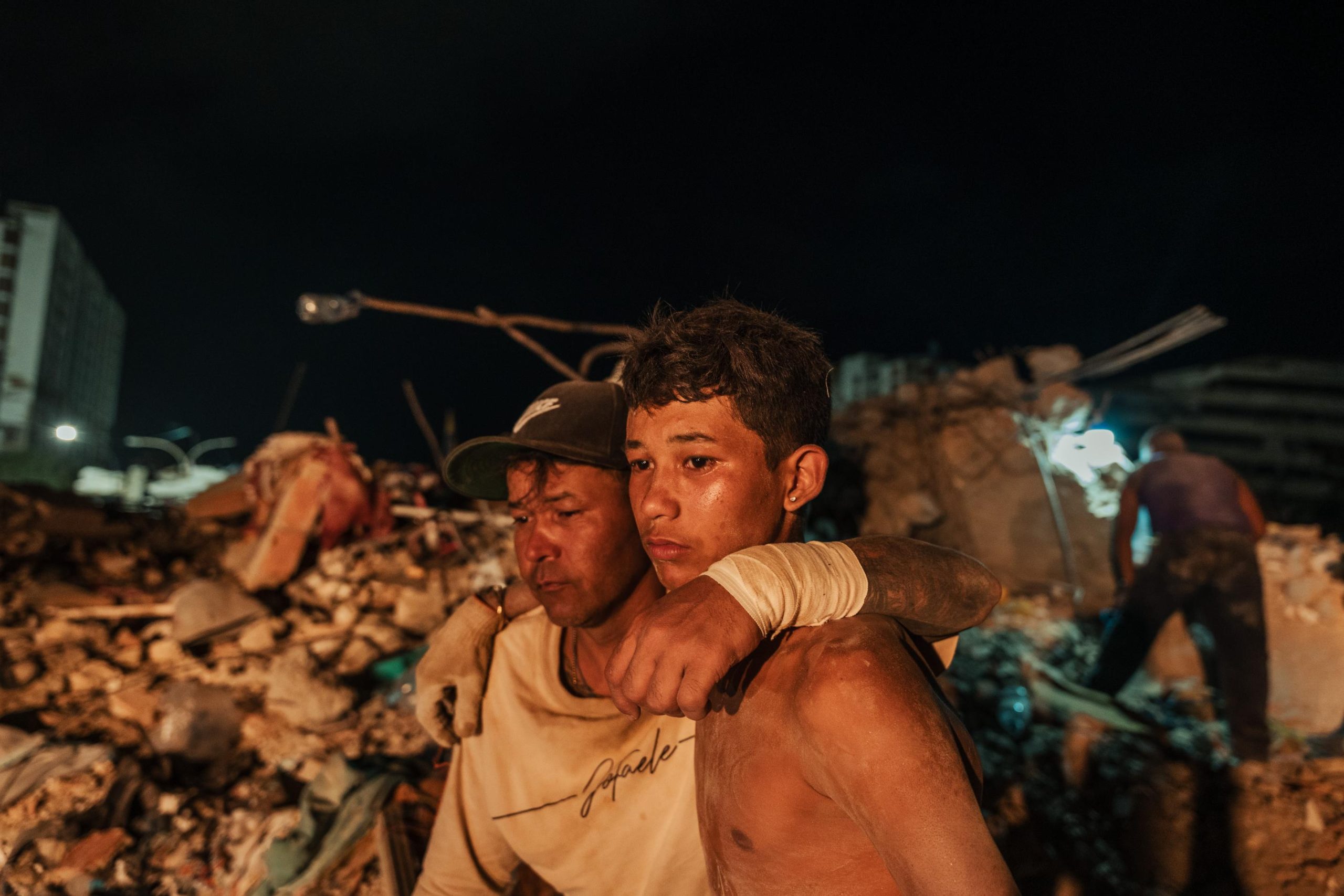
These buildings were part of a state program that offered low-income and previously displaced families in a long-awaited home. They were meant to be an answer. In an economy already in ruins, people waited years for an apartment. A key, a door, a place to be safe. Floor after floor was densely packed. For years, residents reported flooding and cracks and waited for repairs that never came. The signs were there, humming. Buildings hurried into existence, on land known to carry risks. Homes that were once salvation became burial sites. I could say that nearly 200 buildings collapsed, that the disputed official toll exceeds 6,000 while thousands were reported missing. But if we stay with the numbers, we miss the days spent opening paths from one room to the next, under dust, debris, heat and the smell of death; the fear that whatever remained standing could also fall, the horror of digging past dozens of bodies that in many cases belonged to friends. The data does not explain the uncertainty of never finding them.
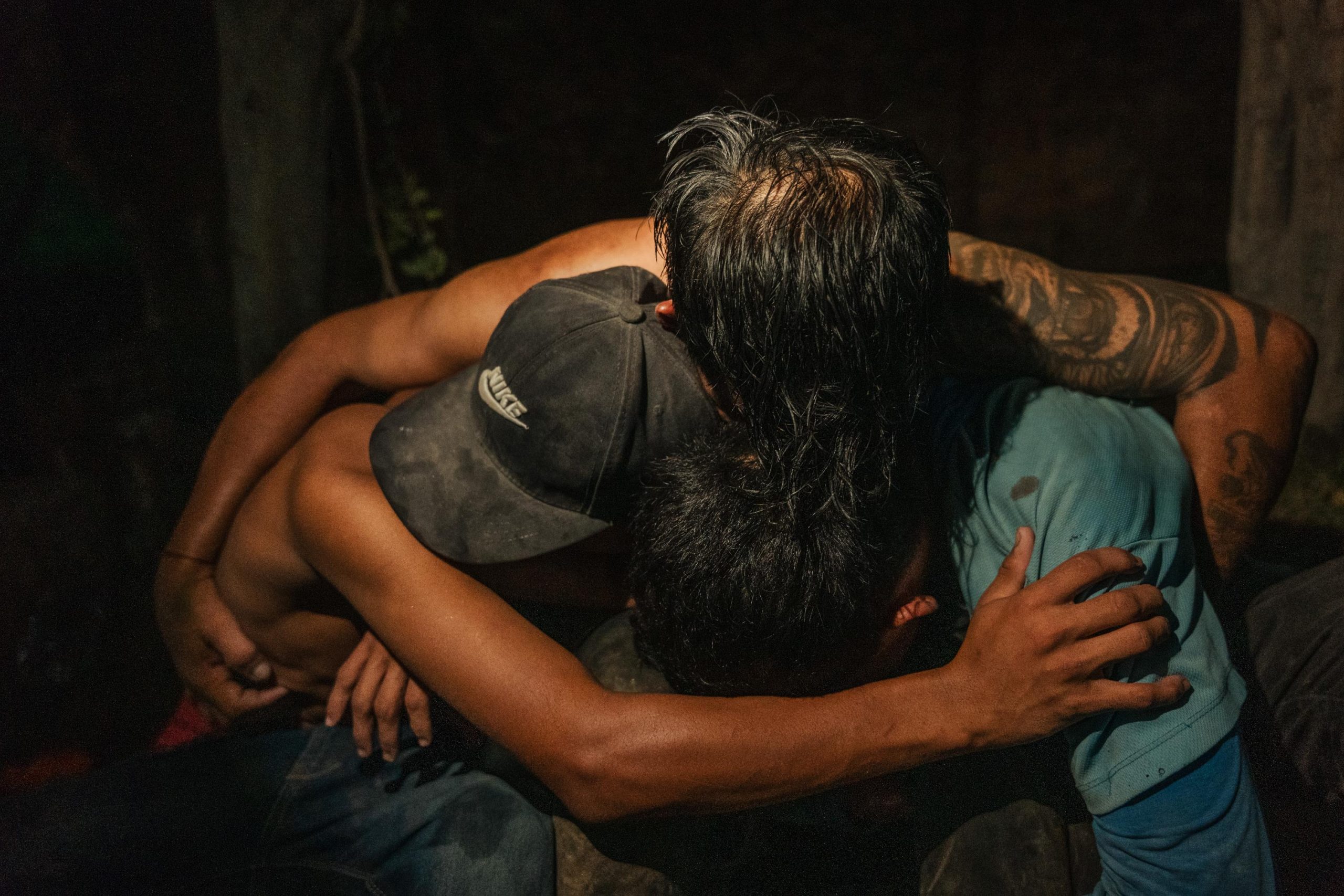
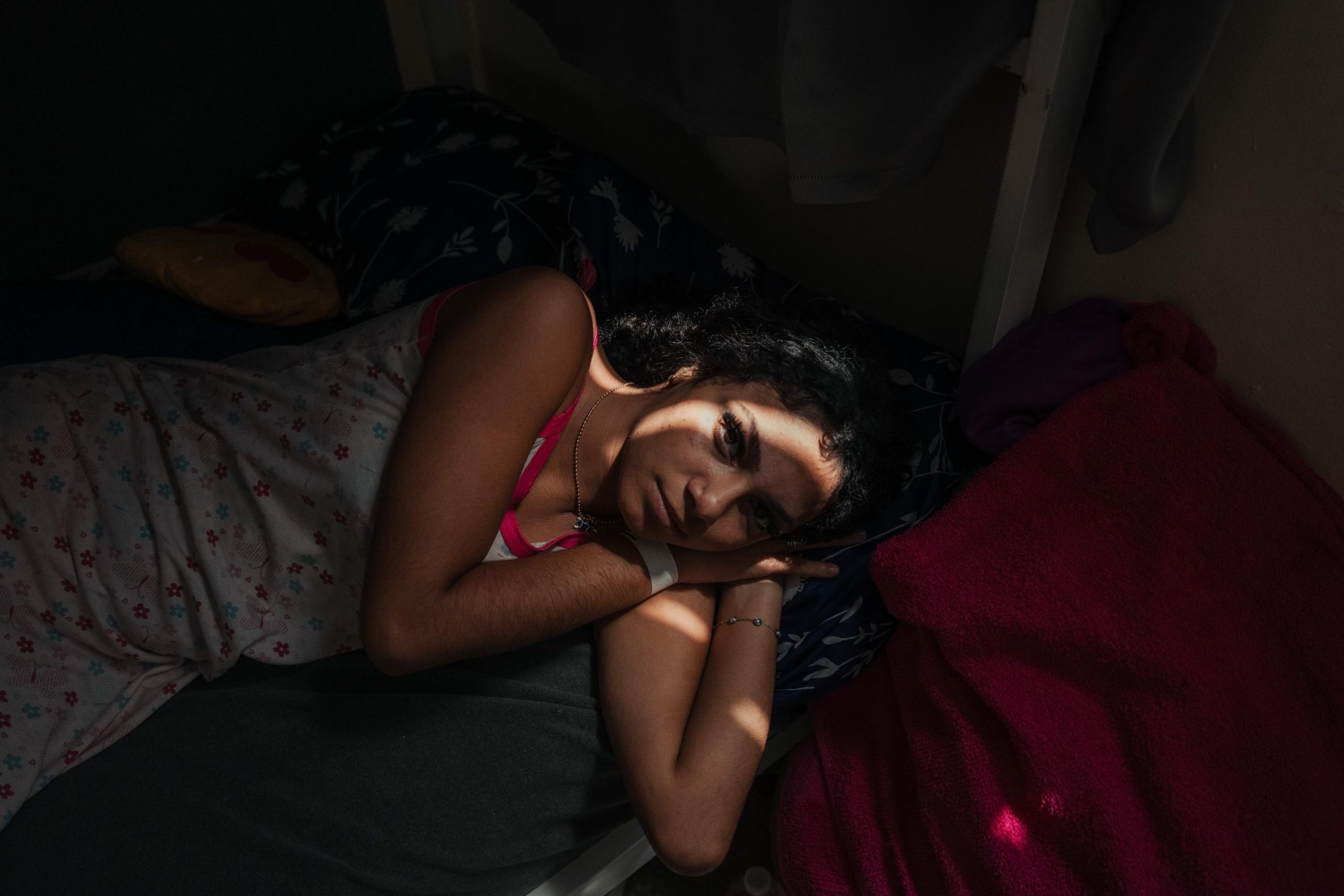
These photographs move between the scale of the loss and the intimacy of the people who, left on their own, refused to leave one another beneath it. Tens of thousands remain displaced, as aid and attention dwindles, but the emergency continues. New public housing complexes are being built before providing an official explanation of how the last ones failed. Another key, another door for people who are, once again, left with the fewest choices, as the Earth continues its hum.
Biography
Adriana Loureiro Fernández is a freelance photojournalist based in Venezuela.
Her work addresses issues of social conflict, the environment, and migration, and has been published in The New York Times, ProPublica, The Washington Post, Bloomberg Businessweek, and Der Spiegel, among other media outlets. She is a regular contributor to The New York Times in Latin America. In 2024, she received a World Press Photo award and the W. Eugene Smith Fellowship.
In 2025, she received an honorable mention in the Anja Niedringhaus Award, and in 2024, she was shortlisted for the Leica Oskar Barnack Award. In 2019, she won the Rémi Ochlik Award at Visa pour l’Image. Her work has been exhibited in several countries in Europe and Latin America, as well as in various cities across the United States. In New York, she has participated in several Photoville exhibitions.
Adriana holds a master’s degree in journalism from Columbia University in New York.
In addition to working on assignments for The New York Times in Latin America, she is currently developing a new chapter of her long-term project, Paraíso Perdido.